

Supporting people and families after serious change, incidents, or death
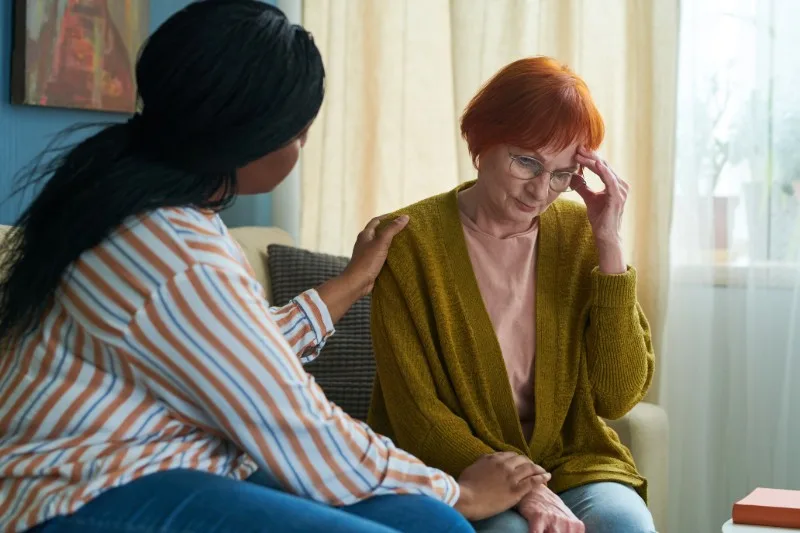
A difficult conversation continues after the worst has been said. People often need repetition, practical guidance, privacy, emotional support, or time before they can take in information or ask questions. If serious harm has occurred, formal duty of candour or being open arrangements may apply; the correct process depends on the UK nation and local policy.
What support often looks like
- Clear next steps: who will be involved, who has been contacted, and what will happen next.
- Practical support: a private room, seating, tissues, water, time, and someone staying with the person.
- Consistent information: staff should avoid giving conflicting explanations.
- Opportunities for questions: people may need another chance to ask after they have had time to absorb the news.
- Open follow-up after harm: apology and explanation should come through the correct senior route.
Bad news is not managed well unless the follow-up is managed well too. People need honest information, practical help, and a team that provides consistent support afterwards.
Ask Dr. Aiden
Rate this page
Sign up now for a free account
Course tools & details

