

Welcome
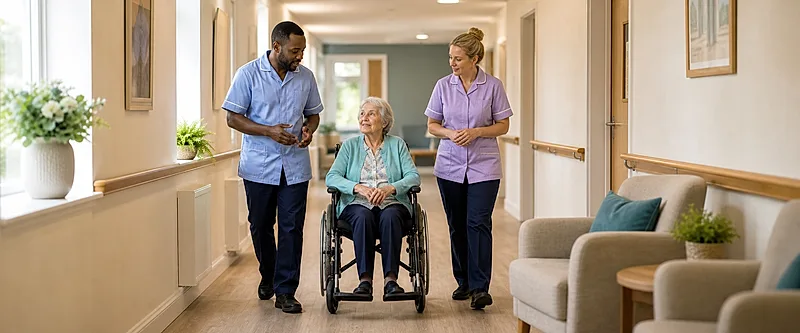
Communication is one of the biggest factors shaping a person's experience of dementia care. In residential care settings, the way staff approach, speak, listen, explain, pause, reassure, and respond can either reduce fear and confusion or make them worse. Person-led communication is therefore not an optional extra. It is one of the foundations of safe, respectful dementia care.
This course is for care assistants, senior carers, support workers, team leaders, and other frontline staff working in residential care homes and similar adult social care settings. It focuses on specialist communication practice and person-led dementia care in daily interactions, building on general dementia awareness rather than repeating it in full.
This course takes a UK-wide practical approach to dementia communication and person-led care. The core principles apply across residential care services in England, Wales, Scotland, and Northern Ireland: support understanding, preserve dignity, involve the person as far as possible, reduce avoidable distress, and share what works. Where consent, capacity, safeguarding, deprivation of liberty, or care regulation differ, follow local law, national guidance, and employer policy.
Why This Course Matters
- Communication affects safety: people are less likely to become distressed or resist care when they understand what is happening and feel respected.
- Dementia changes communication in many ways: memory, language, attention, hearing, processing speed, and confidence may all be affected.
- Person-led care starts with the relationship: knowing the individual helps staff communicate in ways that feel familiar and meaningful.
- Routine care often depends on communication: personal care, meals, mobility, and medicines support can all break down if staff rush or overwhelm the person.
- Consistency matters: teams need to share what works, not leave each shift to start again from scratch.
How This Course Will Help You
After completing this course, you should be better able to communicate with people living with dementia in a calmer, more person-led way, reduce avoidable distress, support better daily care interactions, and help your team work more consistently around the person.
Rate this page
Sign up now for a free account
Course tools & details

