

Respecting Religious, Cultural, and Personal Needs
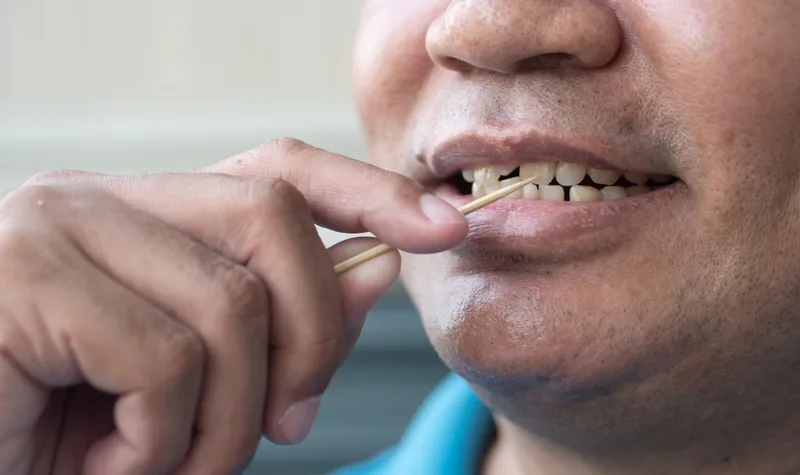
Patients may have religious, cultural, ethical or personal needs that affect dental care. These can include fasting, prayer, requests about modesty or the clinician's gender, limits on physical contact, family involvement, concerns about animal-derived materials or alcohol-containing products, traditional oral hygiene practices, and particular beliefs about illness or pain.
You do not need to know every belief. Ask respectfully so the dentist understands what matters to the patient before clinical decisions are made. Where possible offer reasonable adjustments or alternatives so a patient does not have to choose between dignity and care.
How to respond well
- Listen without judgement.
- Ask what the patient does, uses, avoids or worries about.
- Do not dismiss traditional practices as "wrong".
- Refer clinical questions to the dentist or oral health educator.
For example, if a patient uses a chewing stick, ask what they use, how often, whether they also use fluoride toothpaste, and whether advice should be tailored.
Some requests can be met easily. Others may be limited by infection prevention and control, clinical safety, availability, urgency or staffing. If a request cannot be met, explain this respectfully and offer to discuss alternatives with the appropriate professional.
If the dentist is out of the room
- Acknowledge the concern and avoid guessing.
- Do not dismiss it as "only" personal preference.
- Do not promise that the request can be met.
- Refer the matter to the dentist or appropriate lead.
Respectful care does not require assumptions or knowledge of every culture. It requires asking, listening, checking what is clinically possible, and treating the patient's concern as legitimate.
Ask Dr. Aiden
Rate this page
Sign up now for a free account
Course tools & details

