

Privacy, modesty, touch and close-contact tasks
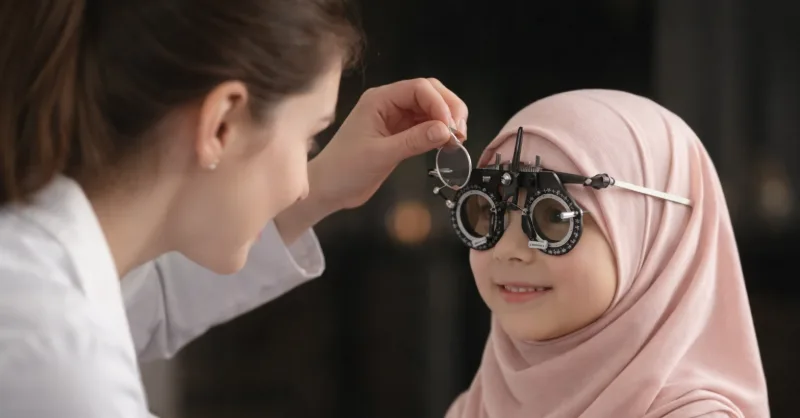
Optical support work often requires entering a patient's personal space to fit frames, adjust nose pads, take measurements, position someone at equipment, ask health questions, photograph eyes, discuss payment or provide contact-lens help. Actions that seem routine to staff can feel exposing or sensitive to the person receiving care.
Before close-contact work
- Explain the task: tell the person what you will do and why.
- Ask before touch: check before moving a person's face, hair, head covering or glasses.
- Offer privacy: when possible, move to a quieter area for sensitive questions, contact-lens support, payment discussions or if the person is distressed.
- Respect modesty: avoid public comments about religious dress, hair, face coverings, body shape or appearance.
- Use chaperone or same-gender routes: follow local policy if a person requests this or the task is sensitive.
- Pause if unsure: involve a registrant or manager when consent, dignity or role boundaries are unclear.
Some requests can be met immediately; others need a wait, a different staff member, a manager decision or a rebooked appointment. If you cannot meet the exact preference, explain what is possible and avoid making the person feel difficult for asking.
Close-contact optical tasks need clear explanation, permission and privacy. A routine adjustment can still affect dignity.
Ask Dr. Aiden
Rate this page
Sign up now for a free account
Course tools & details

