

Opening, closing, premises security, and safer environments
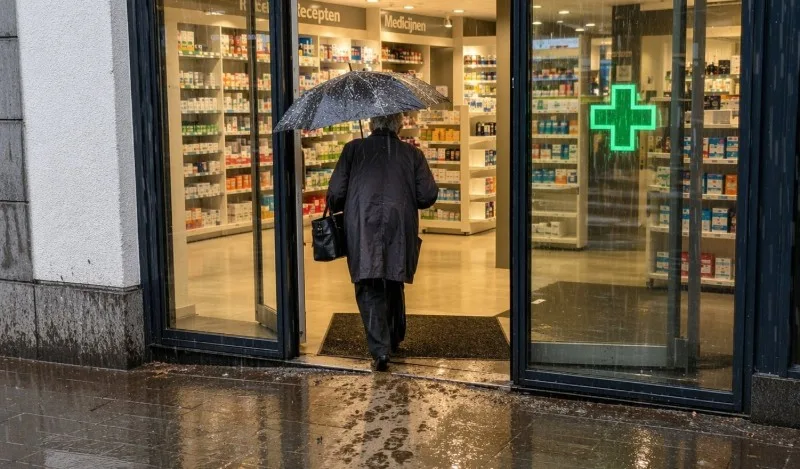
Lone-working safety depends on the environment as much as on personal skills. Arriving to open alone, locking up after dark, accessing rear areas, or being the last person on site are situations where clear security routines and safe premises make a real difference.
Premises and environment points that matter
- Access and exits: staff should know the clearest, safest routes in and out, how doors lock, and where escape routes are located.
- Lighting and visibility: entrances, rear doors, parking areas and walkways should be well lit so staff are visible and not forced into tight, concealed spaces.
- Alarm systems and communications: panic alarms, phones, radios and emergency numbers must be accessible, tested regularly and easy to reach.
- Consultation rooms and rear areas: layouts should allow staff to summon help or leave quickly; avoid leaving someone isolated in a space with limited exits.
- Cash, keys, and stock security: avoid predictable routines for handling money, keys or deliveries that could be exploited during lone-working periods.
Practical opening and closing habits
- Do not enter automatically if something looks wrong: signs of forced entry, people loitering close to the door, or an unsecured rear gate should prompt caution and escalation.
- Do not advertise that you are alone: avoid telling customers or passers-by about staffing levels or when colleagues will arrive.
- Plan handovers and locking-up: confirm who is expected, set a clear check-in time and have a procedure for a missing colleague or an unexpected delivery.
- Think about the end of the shift as well as the start: walking to a car, disposing of waste, carrying stock and closing shutters are moments with elevated risk and should be covered by routine and, where possible, supervision.
A safer pharmacy environment reduces lone-working risk; a poor environment can undermine even experienced staff.
Ask Dr. Aiden
Rate this page
Sign up now for a free account
Course tools & details

