

Welcome
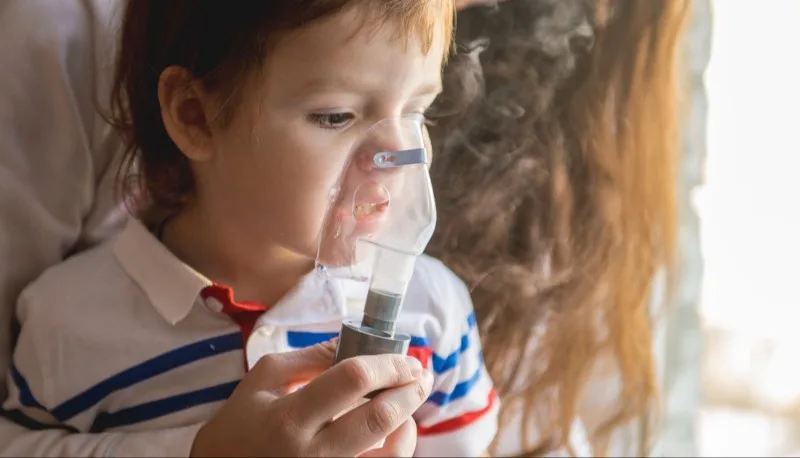
Non-cardiac medical emergencies can occur anywhere in pharmacy practice: at the medicines counter, in a consultation room, during vaccination services, in the waiting area, during supervised consumption, or just outside the premises.
Staff do not need to make a definitive diagnosis in the first seconds, but they must spot sudden deterioration, begin a safe first response, call 999 early when appropriate, and work within their competence.
This course is for pharmacists, pharmacy technicians, dispensers, medicines counter staff, delivery staff, vaccinators, managers, locums, trainees, and other pharmacy team members who may encounter someone becoming acutely unwell.
It is based mainly on Resuscitation Council UK first-aid guidance, with reference to Great Britain pharmacy standards and selected England-facing service guidance where relevant. Local arrangements for vaccination services, take-home naloxone, oxygen, and emergency medicines vary by nation, employer, and commissioner, so always follow local SOPs.
This course is relevant to the whole pharmacy team.
CPD Time: 2 hours
Assessment: 10 MCQs. Pass mark 80%.
Why This Course Matters
- Sudden illness can present without warning: people may deteriorate while waiting, talking to staff, or receiving a service.
- Early recognition reduces delay: fainting, anaphylaxis, asthma, seizures, stroke, hypoglycaemia, and opioid overdose all require prompt action.
- Whole-team vigilance is important: counter staff, technicians, and delivery or administrative staff may be first to notice an emergency.
- Know your limits: every team member should know the immediate response, but medicines and equipment must only be used within training, competence, and local protocol.
- Good care includes handover and review: recording times, events, and treatments helps ambulance crews and supports later learning.
A Simple Emergency Spine
- Notice sudden change: collapse, confusion, breathing difficulty, rash, weakness, shaking, or unusual drowsiness are all significant.
- Use ABCDE: airway, breathing, circulation, disability, exposure structure the first response.
- Call 999 early: use speakerphone where possible so the team can hear and follow instructions.
- Treat within competence: use only the medicines and equipment you are trained, authorised, and equipped to use.
- Monitor and prepare: some patients improve quickly; others can deteriorate suddenly.
- Hand over and record: ambulance crews need clear timings, symptoms, treatments, and changes in condition.
How This Course Will Help You
After this course you should be better able to recognise urgent non-cardiac emergencies in pharmacy settings, provide the safest immediate first response, understand the initial roles for the whole team, and apply clear boundaries around escalation, emergency medicines, monitoring, and handover.
Rate this page
Sign up now for a free account
Course tools & details

