

Care plans, key work, family work and multi-agency sharing
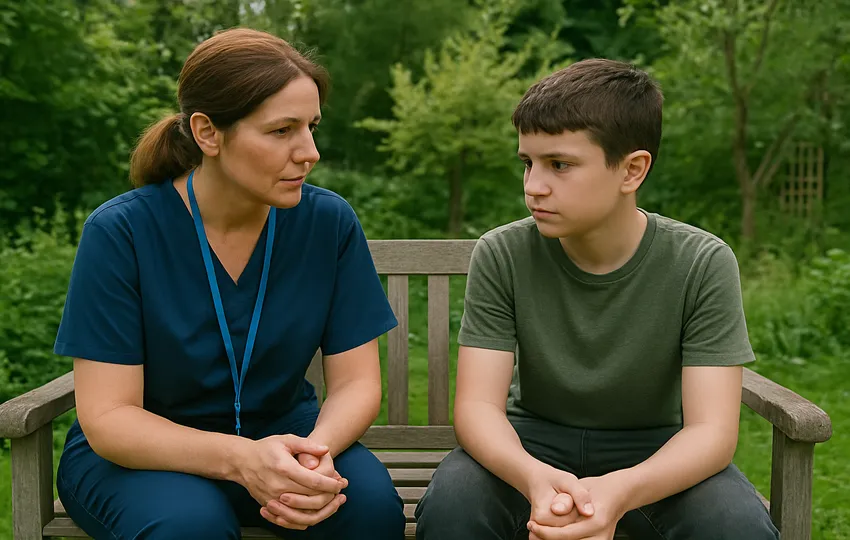
Online-risk work should be embedded in a child's care plan, key-work sessions, safety planning and multi-agency records. Treating digital concerns as isolated incidents risks missing patterns that link phones, missing episodes, sexual harm, criminal exploitation, emotional distress, school avoidance or family conflict.
Good care planning connects the child's online activity to their everyday life. Plans should record warning signs, agreed boundaries, the support the child will accept, staff actions for live incidents, what information is shared with social workers and other professionals, and when the plan will be reviewed.
What good joined-up planning includes
- Known triggers and risks: specific apps, risky contacts, times of day, links with missing episodes or peer dynamics.
- Practical support: key-work conversations, help with reporting and safer device routines.
- Clear escalation routes: who is informed, in what order and how quickly.
- Chronology: repeated low-level incidents should be recorded together to show a pattern.
- Family and network work: where appropriate, help family or carers respond consistently.
Digital safeguarding improves when the home connects incidents and patterns before the child reaches a larger crisis.
Ask Dr. Aiden
Rate this page
Sign up now for a free account
Course tools & details

