
Pressure Ulcer Prevention and Skin Integrity for Residential Care Staff

Recognising early pressure damage, protecting skin and escalating concerns promptly in care homes

  • Reputation

    No token earned yet.

    Reach 50 points to earn the Peridot (Trainee Level).

  • CPD Certificates

    Certificates

    You have CPD Certificates for 0 courses.

  • Exam Cup

    No cup earned yet.

    Average at least 80% in exams to earn the Bronze Cup.

Launch offer: Certificates are currently free when you create a free account and log in. Log in for free access

What pressure ulcer prevention and skin integrity mean
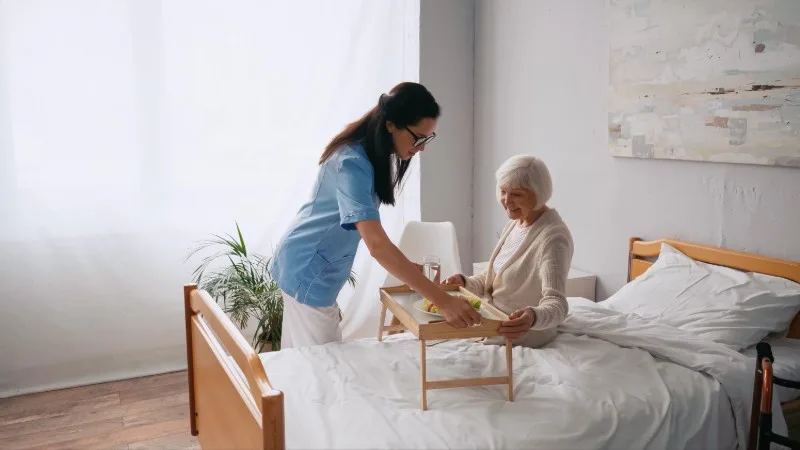
Caregiver assisting elderly person in bed

Pressure ulcers, sometimes called pressure sores or bed sores, are injuries to the skin and underlying tissue linked to prolonged pressure. Skin integrity means keeping the skin intact, healthy and protected. In care homes, prevention is part of everyday personal care, mobility support and comfort, not a task that starts only after skin has already broken down.

NICE says risk rises when people have factors such as reduced mobility, inability to reposition, previous or current pressure damage, malnutrition or significant cognitive impairment. In practice, frontline carers help prevent harm because they see how the resident actually spends the day and night, whether the current plan is being followed, and whether something has changed since yesterday.

What affects skin integrity in daily care

  • Pressure: too much time in one position can damage skin over bony areas.
  • Friction and shear: dragging, sliding and poor positioning can damage skin even before a wound is visible.
  • Moisture: sweat, urine, faeces or wound fluid can make fragile skin easier to break down.
  • Poor intake: low food or fluid intake can make healing and skin resilience worse.
  • Equipment and routine: cushions, mattresses, chair time and turning plans only help if they are correct, available and used properly.

For carers, the role is usually to notice, support, record and report. In some homes trained nurses or senior staff complete formal risk and skin assessments, but all carers should still recognise warning signs, follow the current prevention plan and say when the plan no longer fits what they are seeing.

Pressure Ulcers - prevention and treatment at The Pennine Acute Hospitals NHS Trust (2013)

Video: 6m 38s · Creator: PennineAcuteNHSTrust. YouTube Standard Licence.

This Pennine Acute Hospitals NHS Trust video explains pressure ulcers as serious but often preventable harm, not an inevitable result of frailty or illness. It describes pressure ulcers as damage to the skin and underlying tissue caused by pressure and shear, with severe cases potentially affecting muscle and bone and leading to complications such as blood poisoning or gangrene.

The video identifies people at greater risk, including those who need help to move, have reduced sensation, have poor circulation or diabetes, are very young or very old, are overweight or underweight, are malnourished, or smoke. Warning signs include redness that does not go away, discolouration, pain, soreness or tenderness, particularly over bony areas such as heels, knees, hips, the base of the spine, buttocks, shoulders and the back of the head.

Prevention is organised around the SKIN bundle. S stands for support surfaces and skin inspection, K for keeping people moving, I for incontinence and moisture management, and N for nutrition and hydration. The video also describes open discussion with patients and families, written information, posters and awareness campaigns as part of reducing avoidable pressure ulcers.

Was this video a good fit for this page?
 

Pressure ulcer prevention works best when staff treat skin care, mobility, continence, nutrition, hydration and equipment as one connected picture.

Ask Dr. Aiden


Rate this page


Course tools & details Study tools, course details, quality and recommendations
Funding & COI Media Credits
