

How concerns may appear in first-contact work
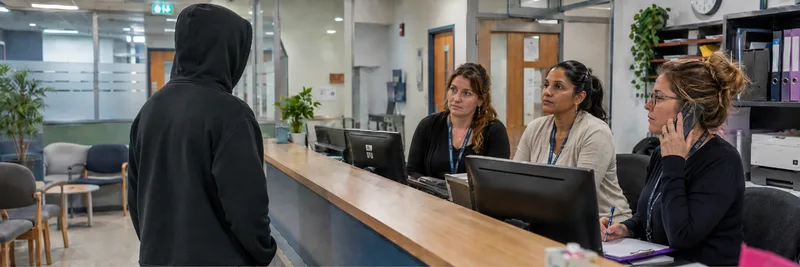
Prevent-related concerns can arise during routine first-contact work. A receptionist might hear worrying remarks, receive reports from relatives or professionals, notice sudden changes in behaviour, or see wording in online requests that suggests fixation, fear, coercion or potential harm.
Direct comments
Someone may make remarks about revenge, weapons, martyrdom, planned violence or praise for violent acts. They may sound angry, distressed, confused, joking or serious. Reception staff should not try to decide the tone alone. Record the exact wording, consider the context and escalate if there are safety concerns.
Concerns from others
Family members, carers, schools, social workers or community organisations may contact the practice with worries about a sudden change. You may not be able to disclose patient information to them, but you can receive their concerns and pass the information through the correct safeguarding route.
Prevent duty animation - public sector staff working together to stop radicalisation
Online and digital clues
Wording in online requests can be blunt and easy to miss in routine queues. Phrases such as "doing something violent", "they deserve it", "I have found my purpose", or "I am being pressured to join" may require urgent review. Treat online wording as the patient's or caller's words and record them exactly rather than summarising into a vague task.
Possible first-contact examples
- Repeated praise for violence or comments about harming a named person or group.
- Pressure or coercion, such as someone saying they are being pushed to attend secret meetings.
- Family reports of sudden withdrawal, extreme online influence or frightening behaviour.
- Agitated comments about revenge, weapons, planned harm or needing to act soon.
- Fearful disclosures that someone is being watched, threatened or forced into something.
Record exact words and context; do not paraphrase concerning comments into vague labels.
Ask Dr. Aiden
Rate this page
Sign up now for a free account
Course tools & details

