

Welcome
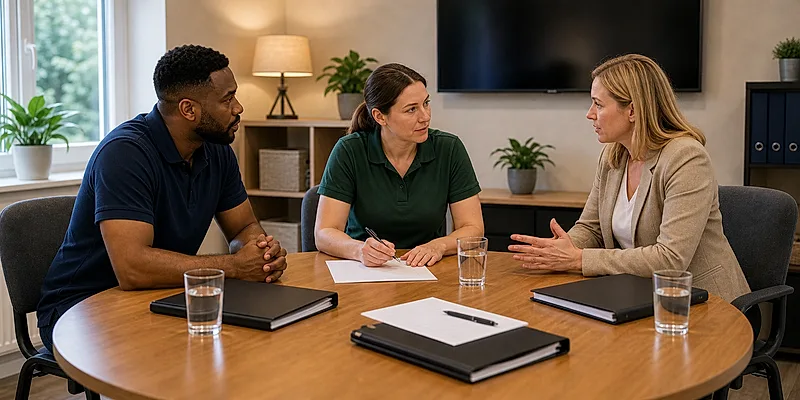
Safeguarding in children's homes is not only about rare emergencies. It is about what staff notice during everyday routines, how they respond when something feels wrong, and whether concerns are shared early enough to protect a child. A child may show risk through words, silence, fear, injuries, secrecy, changes in behaviour, online activity or repeated low-level comments that only make sense when the team joins the dots.
This course is for residential child care workers, senior residential workers, waking night staff, team leaders, deputy managers, registered managers and other staff in children's homes and residential child care settings. It offers frontline safeguarding awareness and does not replace local child-protection procedures, social work assessment, police investigation or legal advice.
This is a UK-wide course. It uses shared safeguarding principles and refers to current England and NICE sources where useful, including Working Together to Safeguard Children 2026, NICE NG76 on child abuse and neglect, the Guide to the Children's Homes Regulations including the quality standards, the children's social care national framework, and the current children's homes inspection framework. Wales, Scotland and Northern Ireland have their own child-protection arrangements, so staff must follow local policy and procedures in their nation.
NSPCC – What makes children feel safe?
Why This Course Matters
- Children may not disclose neatly: staff often see early fragments of concern.
- Patterns matter: small concerns can combine into a clearer risk picture.
- Frontline staff carry key information: daily records and handovers can protect children.
- Delay increases harm: waiting for certainty can leave a child unsafe.
- Culture matters: homes are safer when staff can speak up and challenge drift.
A Simple Safeguarding Spine
- Notice what does not fit.
- Listen calmly and check immediate safety.
- Record facts and the child's own words.
- Share concerns through the right route.
- Escalate when the response is too weak or too slow.
Rate this page
Sign up now for a free account
Course tools & details

