

Welcome
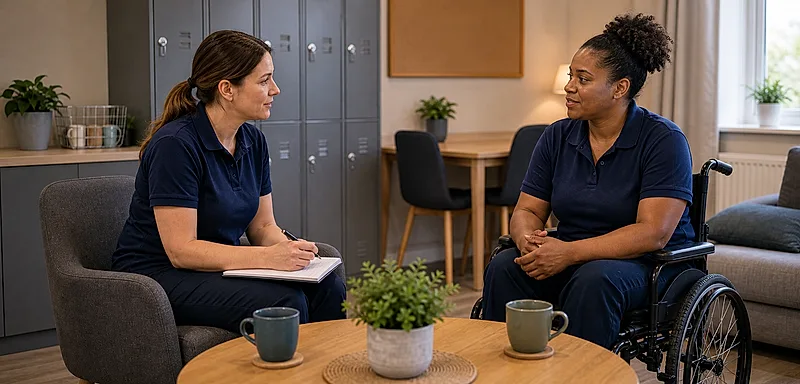
Staff in children's homes often set very high standards for themselves. That dedication matters, but persistent self-criticism - thoughts such as "I should have done more", "I am not good enough" or "I always get it wrong" - raises stress and can impede learning and recovery. Self-compassion offers a different response to difficult moments: honest appraisal combined with kindness and responsible follow-up instead of shame.
This course is for residential child care workers, support workers, waking night staff, key workers, senior residential workers, team leaders, deputy managers, registered managers, therapists, administrators and other staff in children's homes. It is written for a UK audience while recognising that employer policies, regulators, safeguarding pathways and support routes differ across England, Scotland, Wales and Northern Ireland.
Self-compassion is not about making excuses, ignoring mistakes or lowering standards. It means treating yourself in a way that supports learning, safe practice and longer-term wellbeing.
Why This Course Matters
- Harsh self-talk increases stress: it makes learning harder and slows recovery.
- Children's residential care work is emotionally demanding: grief, guilt, frustration and sadness can occur even when staff have acted responsibly.
- Self-compassion supports accountability: it helps staff recognise problems without becoming overwhelmed by shame.
- Wellbeing protects care: staff who recover and seek support are better able to provide safe, consistent care.
How This Course Will Help You
On completion you should be able to describe self-compassion, apply self-kindness, use mindfulness and recognise common humanity, reframe unhelpful self-talk, and create a self-compassionate self-care plan tailored to children's residential care work.
Is this the right stress management course for you? We have many others for children's homes staff, covering different techniques. Click here for more info.
Rate this page
Sign up now for a free account
Course tools & details

