
Sexual Harassment for Residential Care Staff (Level 2)

Recognising, preventing, and responding to sexual harassment in care-home teams, visitor-facing work, and digital spaces

  • Reputation

    No token earned yet.

    Reach 50 points to earn the Peridot (Trainee Level).

  • CPD Certificates

    Certificates

    You have CPD Certificates for 0 courses.

  • Exam Cup

    No cup earned yet.

    Average at least 80% in exams to earn the Bronze Cup.

Launch offer: Certificates are currently free when you create a free account and log in. Log in for free access

When resident-related behaviour becomes a safeguarding concern
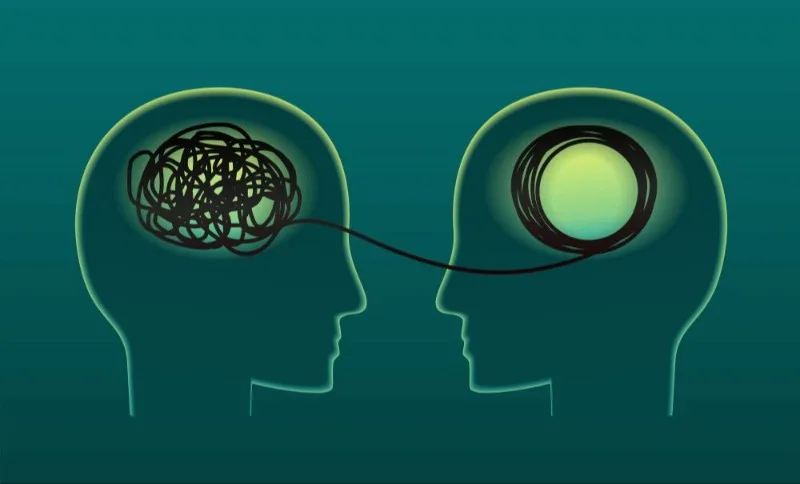
Two outlined heads connected by a thread

Sexualised behaviour by residents can affect staff, other residents, or both. Causes include dementia, delirium, brain injury, trauma, learned behaviour, boredom, confusion, or unmet sexual needs. Whatever the cause, there is a point where the issue moves beyond discomfort or care difficulties and becomes a safeguarding concern.

Promoting sexual safety through empowerment

Video: 4m 9s · Creator: Care Quality Commission. YouTube Standard Licence.

This Care Quality Commission video introduces sexual safety and sexuality in adult social care. It describes examples of good practice and cases where people were placed in unsafe situations.

One case involved a person whose dementia affected their boundaries. Behaviour that initially seemed manageable became unsafe when they entered other residents' rooms and touched them sexually. The service supported the people involved and changed procedures, but the video notes that better preparation might have prevented the situation.

The video also describes a positive example where staff supported Ian and Lizzie to have a relationship. Staff arranged private conversations, and developed care plans covering physical, sexual and emotional health, independence and quality of life.

The core message is that sexuality should be addressed in adult social care. Services must be able to discuss sex, relationships, safety, policy and practice so people are protected while living full lives.

Was this video a good fit for this page?

Important distinctions

  • Resident-to-staff harassment: staff deserve safety, support and clear boundaries even when a resident's condition affects behaviour.
  • Resident-to-resident behaviour: unwanted sexualised touching, teasing, exposure, pressure or sexual contact may be abuse, not "just residents being residents".
  • Staff-to-resident conduct: sexualised comments, overfamiliarity, secret contact or intimate relationships with residents are serious concerns. NICE guidance advises that an intimate relationship between a resident and a member of staff should be treated as suspected sexual abuse.
  • Condition-related behaviour is not a free pass: sexual disinhibition or confusion may influence how the behaviour is understood, but it does not remove the obligation to protect staff and residents.

What safe response looks like

Act to keep people safe first. Separate individuals if needed, record events precisely, review care plans and supervision, consider medical assessment when behaviour is new or changing, and escalate through safeguarding routes if another resident may be at risk or staff boundaries have been seriously breached.

Scenario

A resident with dementia has begun making sexual comments to one care worker, tried to touch her chest during personal care, and later wandered into another resident's room at night and climbed into their bed. A colleague says he is only confused and that everyone should just laugh it off.

What should the team recognise?


Resident-related sexualised behaviour can involve staff safety, resident protection, medical review and safeguarding at the same time. Confusion or disinhibition may change the response, but it does not remove the need to act.

Ask Dr. Aiden


Rate this page


Course tools & details Study tools, course details, quality and recommendations
Funding & COI Media Credits
