

Progressive Relaxation Techniques: Releasing Physical Tension Quickly
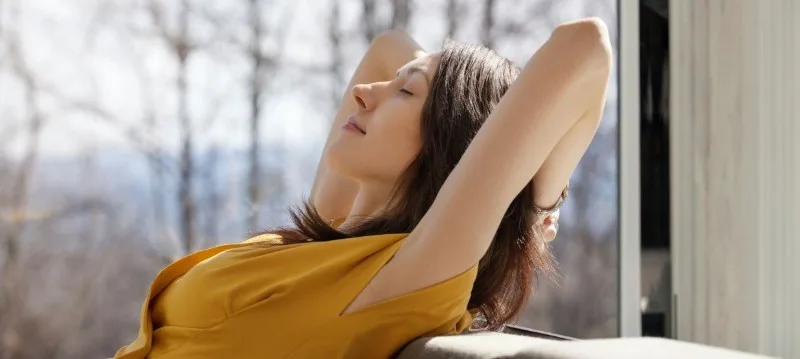
Progressive relaxation reduces physical symptoms of stress such as tight shoulders, a clenched jaw, shallow breathing, headaches, bracing, restlessness or difficulty unwinding. In children's residential care, staff often notice these body signals before they notice mental strain, so short progressive relaxation practices can provide fast relief.
What this technique is especially good at
- Physical down-regulation: reducing muscle tension and visible signs of physical stress.
- Body awareness: helping staff locate where they hold tension.
- Short reset practices: usable between tasks or at the end of a shift.
- Targeted relief: effective for jaw, neck, shoulders, hands and upper back tension common in care work.
Who it may suit best
- People whose stress shows first as bodily sensations rather than thoughts.
- Staff who regularly carry tension in predictable areas such as shoulders, jaw, back or hands.
- Learners who prefer body-based methods to cognitive approaches.
- Those who need a brief decompression technique during or after shifts.
When it may be especially useful
- Between tasks after a difficult interaction.
- Before the next young person-facing conversation when you still feel wound up.
- At the end of the day when the body remains activated.
- When physical tension is impairing concentration, tone or patience.
Compared with physical exercise, progressive relaxation focuses on immediate tension release rather than longer-term conditioning. Use it when you need a quick bodily reset rather than stamina or fitness changes.
Continue with the full course: Progressive Relaxation Techniques for Children's Homes Staff
Progressive relaxation is often the best fit when the body feels like the first thing that needs help.
Ask Dr. Aiden
Rate this page
Sign up now for a free account
Course tools & details

