

Physical Exercise: Building Recovery and Resilience Over Time
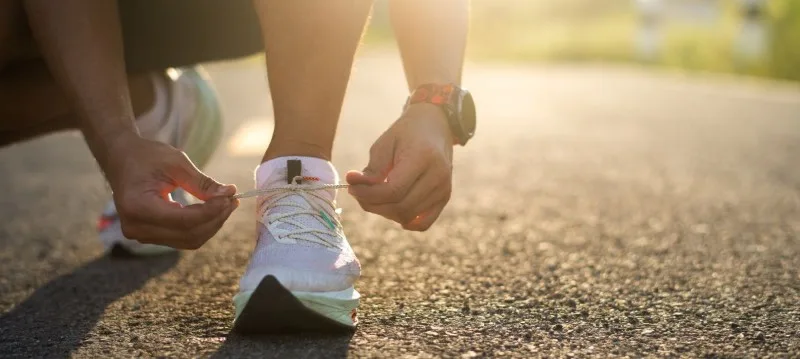
Regular physical activity does more than produce short-term calm. Repeated movement improves recovery between workdays, restores energy, supports sleep and mood, and increases resilience over days and weeks. For optical practice staff who accumulate stress across shifts, exercise can reduce background load and help both body and mind recover between work periods.
What this technique is especially good at
- Longer-term stress recovery: improving how the body and mind bounce back across days and weeks.
- Supporting mood and sleep: both directly affect how manageable work pressure feels.
- Reducing physical stagnation: useful after long periods standing, bracing, or carrying tension home in the body.
- Building resilience gradually: through repeatable movement habits rather than one-off coping efforts.
Who it may suit best
- People who feel run down after practice days and recover poorly between workdays.
- Staff who notice low energy, stiffness, poor sleep, or stress that carries over outside work.
- Learners who want a proactive wellbeing habit to use outside the practice day.
- People who find movement improves mood, focus and mental decompression.
When it may be especially useful
- When stress accumulates across the week.
- When poor recovery outside work is making the next practice day harder.
- When you want a resilience habit that develops over time rather than a quick in-the-moment reset.
- When physical inactivity contributes to tension, restlessness or disturbed sleep.
Compared with progressive relaxation, physical exercise is generally better when the aim is ongoing recovery and resilience-building rather than immediate symptom relief.
Continue with the full course: Physical Exercise for Stress Management in Optical Practice
Physical exercise is often the best fit when your stress problem is not only what happens at work, but how little recovery you are getting between practice days.
Ask Dr. Aiden
Rate this page
Sign up now for a free account
Course tools & details

