

Restraint, restriction, and deprivation of liberty
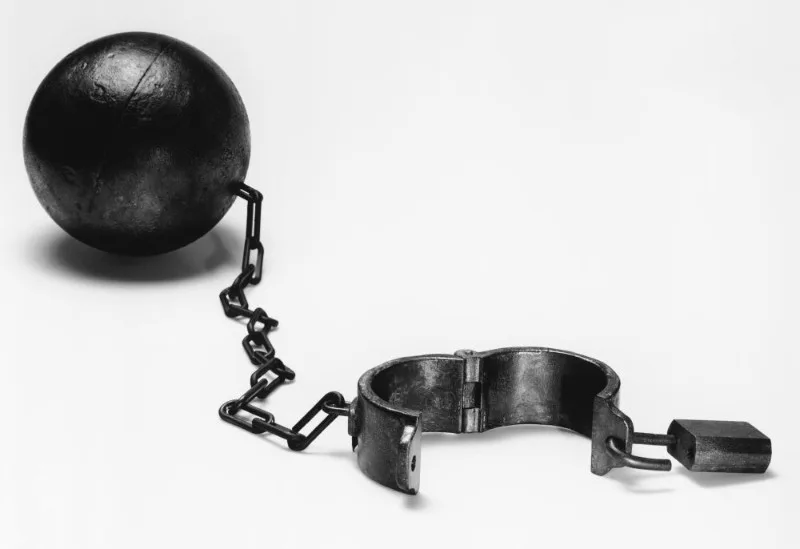
Restrictive measures are common in residential settings and can become so routine staff stop noticing them. Locked doors, constant observation, bed rails, lap belts, sensor technology, physically blocking exits, and using medication mainly to control behaviour can all limit a person's liberty and rights.
Under the Mental Capacity Act, any restraint must be necessary to prevent harm and proportionate to the likelihood and seriousness of that harm. Restrictions that exist mainly for convenience, staffing pressures, or blanket policy are unlikely to be justifiable.
Mental Capacity Act principle 5: Less restrictive option
When restrictions may become deprivation of liberty
A deprivation of liberty can arise where a person lacks capacity to consent, is under continuous supervision and control, and is not free to leave. As of April 2026, care homes and hospitals in England still use the Deprivation of Liberty Safeguards; Liberty Protection Safeguards have not yet replaced that system. Wales also remains on the current DoLS framework pending future reform.
Care staff do not authorise a deprivation of liberty, but they need to recognise when everyday practice may have crossed that line. Concerns should be raised promptly with the nurse in charge, registered manager, or other senior decision-maker so restrictions, care planning, and any required legal authorisation can be reviewed.
Restrictive practice should not become routine because "this is how we do things here". The least restrictive lawful option must always be considered.
Ask Dr. Aiden
Rate this page
Sign up now for a free account
Course tools & details

