

What trauma-informed practice and therapeutic relationships mean
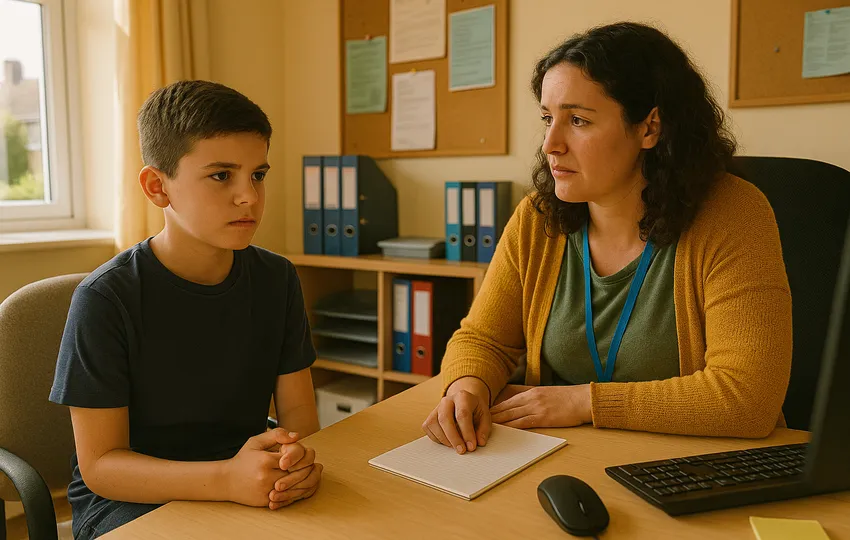
Trauma-informed practice recognises that past adversity commonly affects a child's feelings, behaviour, relationships, bodily reactions and sense of safety today. In children's homes this approach is integral to everyday care and to keeping children safe.
Therapeutic relationships are more than being polite. They require adults to be predictable, honest, clear about boundaries and emotionally steady. These qualities help children feel known without encouraging dependence, secrecy or preferential treatment.
What trauma-informed practice is trying to do
- Increase safety: children cannot regulate well if they feel under threat.
- Reduce shame: understanding helps adults avoid humiliating responses.
- Improve trust: consistency matters more than grand gestures.
- Support regulation: children may need adults to help them calm before they can think clearly.
- Protect boundaries: empathy should sit alongside clear expectations and safe limits.
Trauma-informed practice does not mean lowering standards, excusing harmful behaviour or allowing every preference to determine care. It means choosing responses that make it more likely a child will feel safe enough to learn, connect and recover.
Trauma-informed care is best understood as safe, consistent and thoughtful care rather than sentimental care.
Ask Dr. Aiden
Rate this page
Sign up now for a free account
Course tools & details

