

Welcome
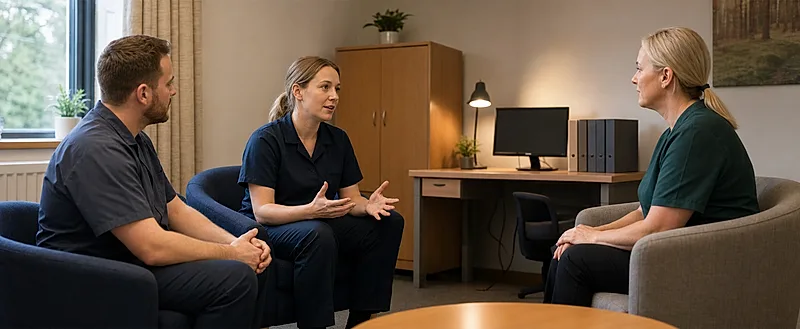
Children's homes are safe when staff will speak up about what is wrong. That can mean questioning a decision, challenging a colleague, escalating a safeguarding concern, or formally whistleblowing where poor practice is ignored or concealed. Raising concerns protects children and is not disloyalty to the home.
This course is for residential child care workers, senior residential workers, waking night staff, team leaders, deputy managers, registered managers and other staff in children's homes and residential child care settings. It is a practical foundation course and does not replace local whistleblowing or grievance policies, safeguarding procedures, legal advice, or regulator guidance on a live case.
The course is framed mainly around children's homes and regulator processes in England, together with Great Britain whistleblowing protections and Ofsted reporting routes for children's social care services. Wales, Scotland and Northern Ireland use different systems and specific reporting routes in some areas; those are signposted separately and should not be assumed to work in the same way.
Why This Course Matters
- Silence can become a safety risk: small concerns ignored early often lead to greater harm.
- Culture matters: homes become unsafe when staff are mocked, intimidated or exhausted into silence.
- Children may depend on adults speaking up: they may be unable to challenge unsafe systems themselves.
- Challenge is part of professionalism: respectful disagreement can prevent drift and unsafe practice.
- Good leaders need bad news early: safe homes do not punish honest concern-raising.
A Simple Speaking-Up Spine
- Notice what does not feel safe or right.
- Use facts and chronology, not gossip.
- Raise the concern through the right route.
- Escalate further if the response is unsafe or compromised.
- Treat concern-raising as part of protecting children.
Rate this page
Sign up now for a free account
Course tools & details

