
Autism, ADHD and Neurodiversity Awareness in Children's Homes

Practical support, calmer interpretation and better everyday adjustment in residential care

  • Reputation

    No token earned yet.

    Reach 50 points to earn the Peridot (Trainee Level).

  • CPD Certificates

    Certificates

    You have CPD Certificates for 0 courses.

  • Exam Cup

    No cup earned yet.

    Average at least 80% in exams to earn the Bronze Cup.

Launch offer: Certificates are currently free when you create a free account and log in. Log in for free access

Communication, sensory needs and everyday support
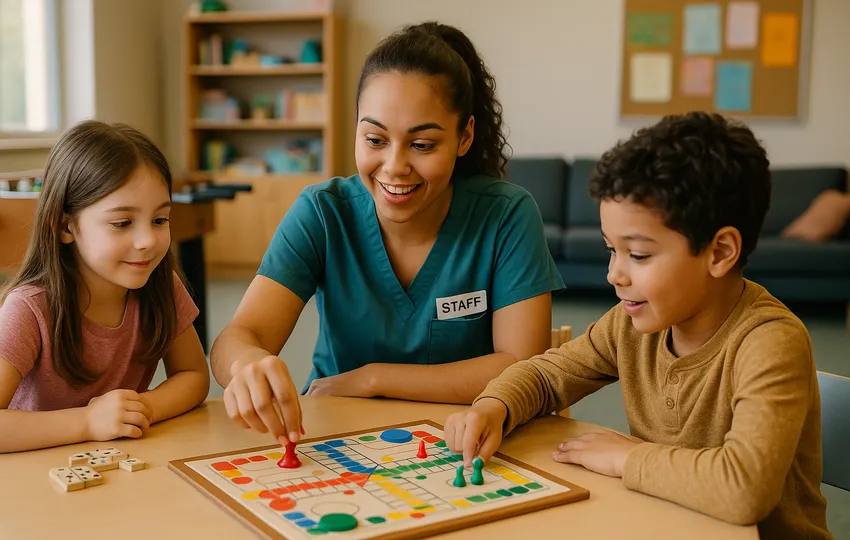
Adult and two children playing board game at table

Some neurodivergent children process language slowly, take words literally, need extra time to change tasks, miss non-verbal cues or become overwhelmed when too much is said at once. Others need predictable routines, quiet space, movement, fidget items or visual reminders. Small changes for staff can feel very large to the child.

Homes can reduce distress by giving clearer warnings, using shorter instructions, providing quieter spaces, keeping routines consistent and supporting transitions in practical ways. Support is most effective when staff use the same strategies across shifts.

Adjustments should reflect the child's preferences. Some children will benefit from visual reminders, written choices, movement breaks, headphones, a predictable warning before change, or time to process before answering.

Everyday support habits

  • Use clear short instructions.
  • Give warning before change where possible.
  • Notice sensory triggers such as noise, light or crowding.
  • Allow regulation strategies that are safe and helpful.
  • Ask what the child already knows helps them cope.
  • Keep support consistent across the team.

Working with people with autism: the professionals

Video: 11m 8s · Creator: Social Care Institute for Excellence (SCIE). YouTube Standard Licence.

This SCIE video follows two professionals working with autistic people: Dominic Cole, a care worker at St. Mark’s Day Services in north London, and Emma Boswell, an Oxfordshire social worker supporting teenagers moving into adult services. It shows how observing anxiety and adapting approaches to the individual guides practical support.

Emma’s work with 17-year-old Dan, who lives at The Squirrels residential home and has severe learning disabilities, looks at whether he is happy, healthy, stimulated and being prepared for adulthood. The placement has helped him use pictures and symbols to communicate needs that previously had to be inferred from behaviour. The account highlights listening to residential staff, involving parents and starting transition planning early so future choices are realistic and carefully considered.

Dominic’s work with Michael demonstrates communication techniques used in a day-service setting. He allows time to settle between environments, provides a clear plan of the day, uses short sentences and visual prompts, waits for responses and uses praise to build confidence. Challenging behaviour is treated as a form of communication - the task is to work out what is causing distress rather than only responding to the behaviour.

Sensory and physical environments matter. Low-arousal methods, one person speaking at a time, tidy rooms, reduced clutter and predictable routines help autistic people concentrate, understand expectations and feel less anxious.

Was this video a good fit for this page?

Scenario

A child becomes extremely distressed when a planned outing changes at the last minute, and staff tell them they are overreacting.

What is the safer way to think about this?


Good adjustment often looks ordinary from the outside, but to the child it can mean the difference between coping and collapse.

Ask Dr. Aiden


Rate this page


Course tools & details Study tools, course details, quality and recommendations
Funding & COI Media Credits
