

Sensory pressures in optical practice
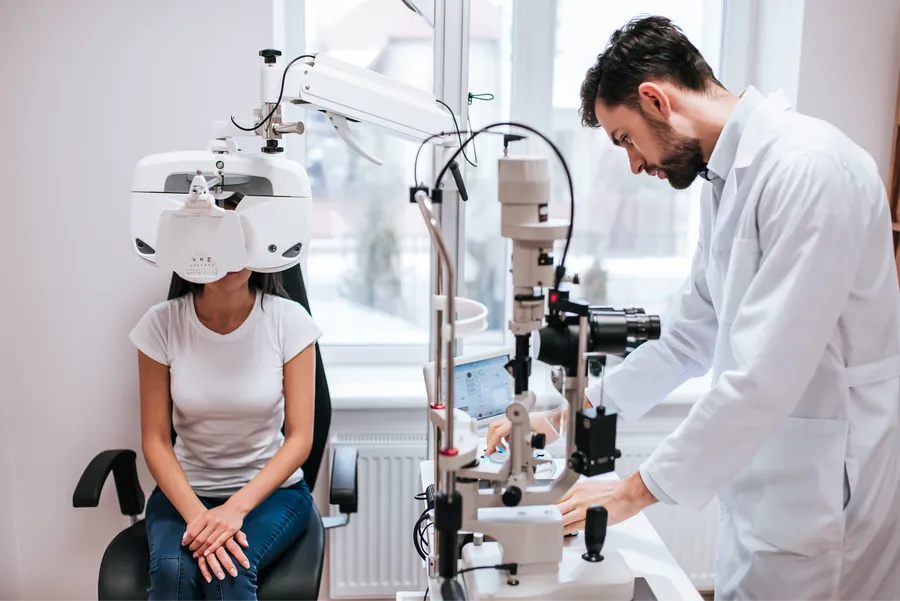
Many autistic people experience sensory differences. Sounds, lights, smells or touch that feel ordinary to one person may be painful, distracting or overwhelming to another. Optical environments commonly present several of these pressures at once.
Support staff do not need to eliminate every stimulus. They should notice when the environment or workflow is creating a barrier, and make practical adjustments where possible.
Common optical sensory pressures
- Light: bright displays, examination lights, glare, screen brightness and flicker.
- Noise: phones, alarms, conversations, doors, music, tills and equipment sounds.
- Smell: cleaning products, perfume, frame-heater smells or busy retail areas.
- Touch: frame fitting, measurements, chin rests, head rests, nose pads and close face-to-face work.
- Visual load: many frames, mirrors, posters, screens and people moving in one space.
- Waiting: uncertainty, crowded seating and repeated transitions between rooms.
Practical adjustments
Practical adjustments include offering a quieter waiting spot, booking the first or last appointment where available, providing written next steps, allowing the person to wait outside, giving a clear time estimate, warning before bright lights or touch, and ensuring fewer staff speak at once.
Do not remove personal aids that help the person cope, such as headphones, sunglasses, fidget items or a written checklist, unless there is a clear safety reason. If an item affects a test or measurement, explain why and ask the registrant or a trained colleague how to proceed.
Sensory pressure is real access pressure. Small changes to noise, light, waiting and touch can make optical care more usable.
Ask Dr. Aiden
Rate this page
Sign up now for a free account
Course tools & details

