
Care Navigation for GP Receptionists and Care Navigators

Safe access, signposting, escalation and patient trust

  • Reputation

    No token earned yet.

    Reach 50 points to earn the Peridot (Trainee Level).

  • CPD Certificates

    Certificates

    You have CPD Certificates for 0 courses.

  • Exam Cup

    No cup earned yet.

    Average at least 80% in exams to earn the Bronze Cup.

Launch offer: Certificates are currently free when you create a free account and log in. Log in for free access

Gathering information respectfully and consistently
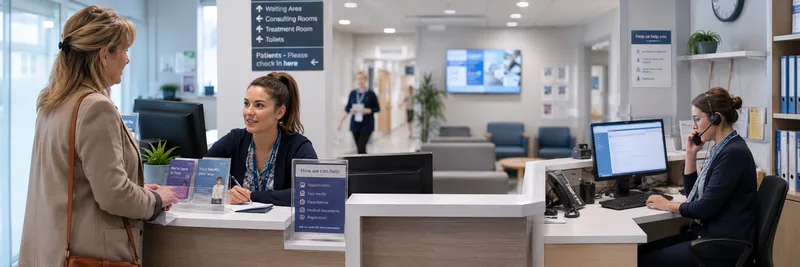
GP practice reception desk with staff assisting patient

Care navigators need enough information to route a request safely while ensuring patients feel heard, not interrogated. How questions are asked can build or damage trust.

A concise explanation helps. For example: "To help us direct you to the right person, can I ask what you need help with? Anything you tell us is treated confidentially." This states the reason, keeps the tone respectful and reduces the sense of prying.

Why do GP receptionists always ask me what’s wrong with me?

Video: 2m 0s · Creator: Cranborne PPG. YouTube Standard Licence.

This Cranborne PPG video explains why a practice may ask for further information when a patient requests a GP appointment. It acknowledges that questions can be frustrating, and describes receptionists as part of the clinical team trained to ask specific questions so patients receive appropriate care from the right clinician at the right time.

The video emphasises that questions are not intended to block access to a GP. Brief information can help the practice arrange swift contact with someone who can help, and reception staff follow confidentiality requirements similar to those of doctors and nurses.

It also addresses privacy. Patients are told they can ask to speak away from the desk, and that very personal matters will be respected if they prefer not to say details.

Was this video a good fit for this page?

Information often needed

  • Who the request is for and whether the caller is the patient, a carer, parent or another person.
  • The main problem or request in the patient's own words.
  • How long it has been happening and whether it is getting worse.
  • Whether the patient has already spoken to someone or tried any treatments.
  • Safe contact details, communication needs and when the patient is available.
  • Any urgent symptoms, safeguarding concerns or reasons the usual route may not be safe.

Scenario

A patient says, "Why do you need to know? I only want to see a doctor." They sound upset and suspicious.

What response protects trust and safety?

Respectful information gathering is not a barrier to care; it is part of safe routing.


Ask Dr. Aiden


Rate this page


Course tools & details Study tools, course details, quality and recommendations
Funding & COI Media Credits
