

Recognising patient information and sensitive information
Data protection covers personal information about identifiable people. In general practice, much of that is also confidential patient information because it was given or recorded in a healthcare context.
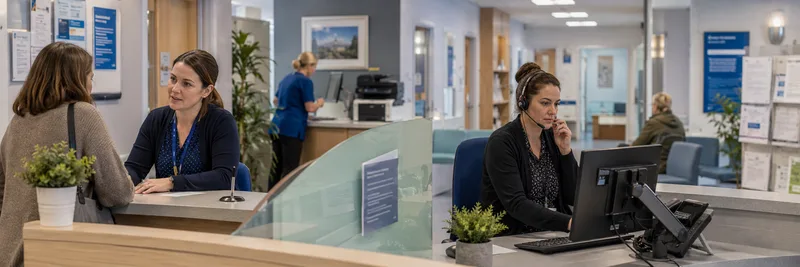
Reception and administrative staff should watch for obvious and subtle identifiers. A message can reveal private information without naming a diagnosis.
Common examples in reception work
- Identity details: name, date of birth, NHS or CHI/H&C number, address, phone number and email.
- Access details: appointments, call-backs, online requests, failed contacts and preferred contact routes.
- Clinical clues: medicines, tests, referrals, symptoms, letters, fit notes and results.
- Family and social context: carers, proxy access, safeguarding notes, safe-contact information and household risks.
- Administrative decisions: complaints, warnings, communication needs, interpreter needs and access adjustments.
Some information needs extra care
Health information is usually especially sensitive. Other details can become sensitive because of context - for example, a contact number may be unsafe in cases of domestic abuse, a missed appointment may relate to mental health, or a request for a letter may reveal immigration, employment or benefit issues.
Sensitive information should be kept as private as necessary. Be mindful when leaving notes, using shared inboxes, adding alerts, composing SMS messages, handling printouts or discussing cases with colleagues.
Minimum necessary use
Ask what someone needs to know to perform a task safely. A receptionist arranging a call-back may only need the preferred number and a brief reason for contact, not the full clinical history. A colleague checking an appointment usually needs time and location, not the whole consultation note.
Using more information than required increases risk; using too little can make care unsafe. Share only what is relevant to the task, and consult a supervisor or clinician when unsure.
Data protection explained in three minutes
Patient information includes more than diagnoses: contact details, appointments, messages and safe-contact notes can all reveal private facts.
Ask Dr. Aiden
Rate this page
Sign up now for a free account
Course tools & details

