

Respecting identity, beliefs, food, routines, and community
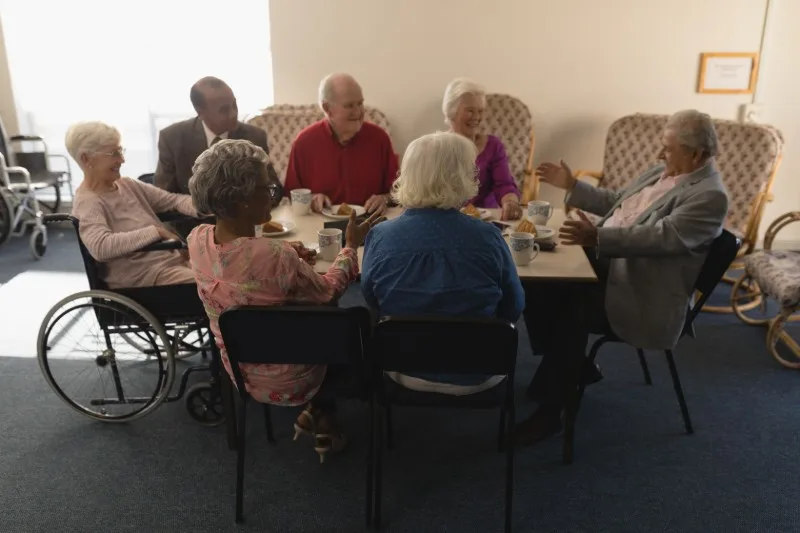
People often feel cultural loss more strongly when they move into residential care. Familiar food, music, prayer, hair care, skin care, clothing, festivals, language, TV, and daily routines can become even more important when so much else has changed. Respecting these things is part of dignity, not an optional extra.
Ask what keeps life familiar
Ask what matters to the person and, where appropriate, to those who know them well. Some people will want strong links with faith, community, or cultural traditions. Others will not.
- Do not treat one part of someone's identity as the whole story.
- Ask what the person wants, not what staff assume they should want.
- Record what matters in practical language the team can follow.
- Review preferences when needs, health, mood, or family circumstances change.
Food, memory, and belonging
Food deserves particular attention in care homes because it affects nutrition, hydration, comfort, memory, and identity.
- Religious observance, fasting, halal, kosher, vegetarian, vegan, or other dietary needs.
- Familiar meals, spice levels, drinks, snacks, and mealtime routines.
- The social meaning of food, including whether the person likes to eat with others or privately.
- Honest discussion if choices are limited, followed by reasonable alternatives where possible.
Community and faith links
Community links also matter. Residents may value visits from family, friends, faith leaders, community groups, or advocates. Some may want help attending events or following festivals. Others may want privacy.
These preferences should be recorded, reviewed, and reflected in care planning wherever reasonably possible.
Cultural preferences become care needs when they affect dignity, nutrition, safety, comfort, trust, or the resident's sense of home.
Black History Month and dementia care: Enomwoyi's story
Examples of what to ask about
- Preferred name, language, and form of address.
- Food, fasting, drinks, and meal routines.
- Prayer, worship, music, books, or cultural celebrations.
- Hair, skin, clothing, grooming, and personal presentation.
Ask Dr. Aiden
Rate this page
Sign up now for a free account
Course tools & details

