

Records, screens, paper, and secure disposal
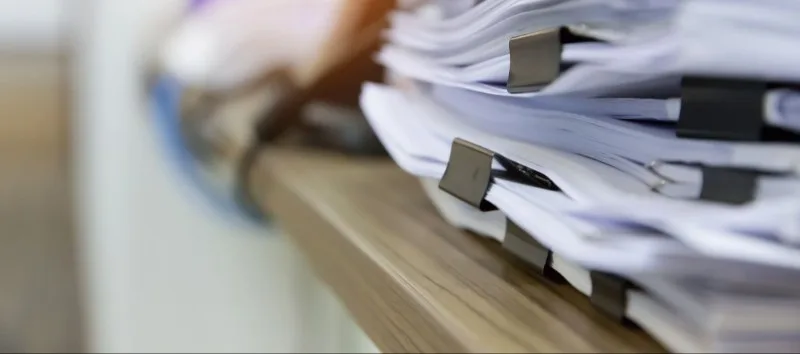
Care records must enable safe care and protect privacy. In England, CQC Regulation 17 guidance requires providers to keep accurate, complete and contemporaneous records for each person using the service, ensure records are secure, and control who can access, amend, store and destroy them. Other UK nations use different frameworks, but the practical expectation is the same: records should be accurate, secure and handled correctly.
Records include paper files, electronic records, photographs, emails, scanned documents, body maps, charts, digital notes, handover sheets, incident forms and messages entered into the record. Whatever the format, the duty to protect information remains.
Everyday record-security habits
- Lock screens: do not leave electronic care records open when you step away.
- Use your own login: never share passwords, PINs, fobs, smartcards or device access.
- Check printers and desks: collect printouts promptly and do not leave identifiable papers in public areas.
- Store records securely: follow local rules for trolleys, folders, offices, medication rooms and mobile devices.
- Use confidential waste: do not put identifiable information in ordinary bins or recycling.
- Record promptly: delayed recording increases the risk of inaccuracies and unsafe care.
Accuracy and tone
Accurate records affect safety as well as information governance. Poor records can lead to missed pain, duplicated medicines, unsafe moving and handling, incorrect diet or fluid support, delayed safeguarding, or poor continuity between day and night staff.
Write clear, factual and relevant notes. Record what you observed, what the resident said when it matters, what you did, who you informed and what happened next. Avoid sarcasm, assumptions, moral judgement and unnecessary personal detail.
Good records protect residents and staff. Keep records accurate, timely, factual, respectful, secure, and never alter or destroy information to hide a mistake.
Ask Dr. Aiden
Rate this page
Sign up now for a free account
Course tools & details

