

Privacy at reception, on the phone and in customer areas
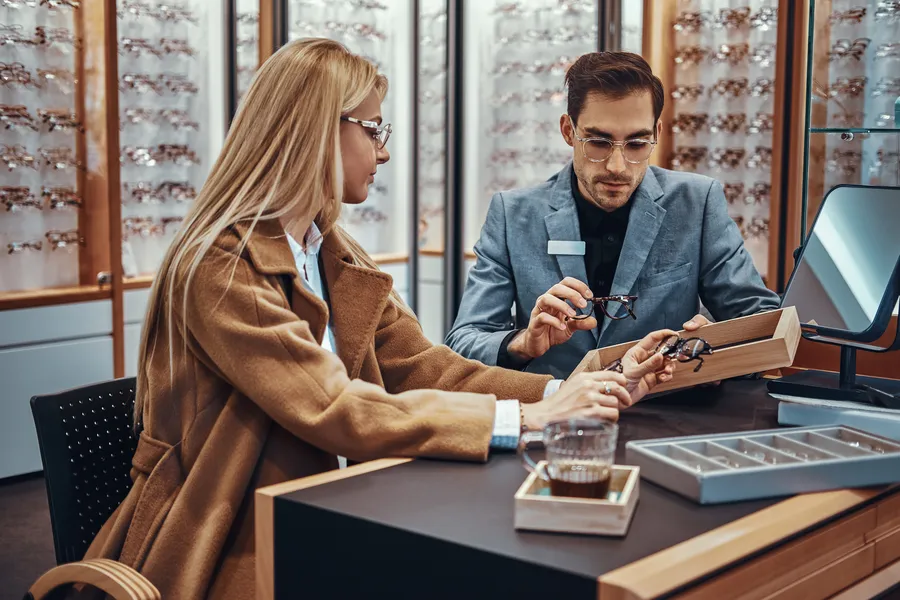
Optical practices are public places. Reception desks, retail displays, waiting areas and open phone points make it easy for private information to be overheard or seen. Good privacy practice limits what is said or shown in public and provides a quieter, private option when needed.
Reception and customer-area risks
- Identity checks: confirm only what you need to identify the person; avoid reading out unnecessary personal details.
- Appointment conversations: do not state sensitive reasons for visits where others can hear.
- Collections and adjustments: do not reveal another person's attendance, order status or health information to someone without authority.
- Companions and carers: do not assume the person accompanying the patient has the right to receive all information.
- Children and parents: follow local policy on children, young people and parental responsibility.
- Queues and retail spaces: lower your voice, step back or offer a private room for sensitive matters.
Phone enquiries
Phone calls require identity checks and caution. A caller may sound familiar or claim to be a relative, but that does not give automatic authority to receive confidential information. Use local scripts, verify identity and authority, and offer safer alternatives such as asking the patient to call back.
Voicemail and text messages should contain only the minimum necessary information. Avoid leaving detailed clinical notes, prescription details or reasons for appointments unless local policy and the patient's preferences permit it.
Helpful does not mean casual. Be polite, verify authority and share only what is necessary through the correct route.
Ask Dr. Aiden
Rate this page
Sign up now for a free account
Course tools & details

