
De-escalation, Behaviour Support and Safer Responses in Children's Homes

Reducing conflict, using consistent boundaries and keeping restrictive practice as a last resort

  • Reputation

    No token earned yet.

    Reach 50 points to earn the Peridot (Trainee Level).

  • CPD Certificates

    Certificates

    You have CPD Certificates for 0 courses.

  • Exam Cup

    No cup earned yet.

    Average at least 80% in exams to earn the Bronze Cup.

Launch offer: Certificates are currently free when you create a free account and log in. Log in for free access

Restorative follow-up after incidents
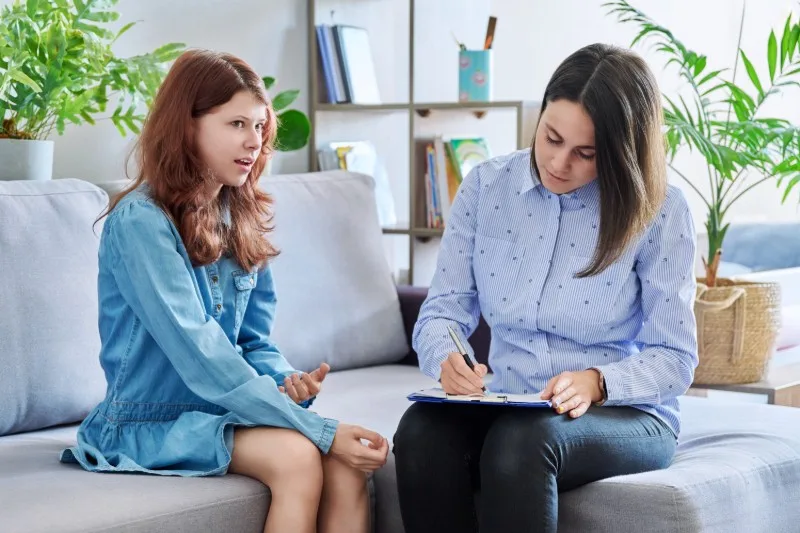
Young girl talking to an adult on a couch

After an incident, the child may need time, food, space, first aid, privacy or emotional recovery before any meaningful reflection. Restorative follow-up should take place once the child is calm enough to think, not during immediate shame, humiliation or fear.

Restorative practice does not remove responsibility. It helps the child see the impact of their actions, repair relationships where possible and return to daily life without escalating punishment or further damaging trust.

Follow-up should consider the needs of anyone harmed, including other children. Staff should avoid making a child apologise in public or forcing them to revisit the incident before they can engage safely.

Introduction to Restorative Approaches

Video: 2m 20s · Creator: Resolve Consultants. YouTube Standard Licence.

This Resolve Consultants video outlines restorative approaches as a response to conflict that focuses on causes, impact and repair rather than on blame and punishment. It recognises that unresolved conflict can leave pain, anxiety and damaged relationships.

Restorative practice is described as patient, skilful and empathic. It involves careful listening, finding common ground, mapping key events and emotions, recognising harm to relationships and helping those involved agree practical steps to move on.

The video sets the aim as repairing as much harm as practicable while building skills to manage future conflict. It presents restorative work as applicable in schools, care homes, prisons and other settings where relationships matter.

Was this video a good fit for this page?

What restorative follow-up can include

  • Calm timing: not too early and not so late that the incident becomes vague.
  • Clear naming of impact: who was affected and how.
  • Repair steps: apology, replacement, clean-up, safer re-entry or peer repair where appropriate.
  • Learning for next time: identify the trigger and better options.
  • Respect for dignity: reflection should not become a public shaming exercise.

Scenario

A child has calmed after throwing a chair near a peer, but says he is not discussing it and staff are tempted to drop the matter because everyone is tired.

What is the safer follow-up?


Restorative follow-up works best when it protects dignity and accountability at the same time.

Ask Dr. Aiden


Rate this page


Course tools & details Study tools, course details, quality and recommendations
Funding & COI Media Credits
