

What de-escalation, behaviour support and safer responses mean
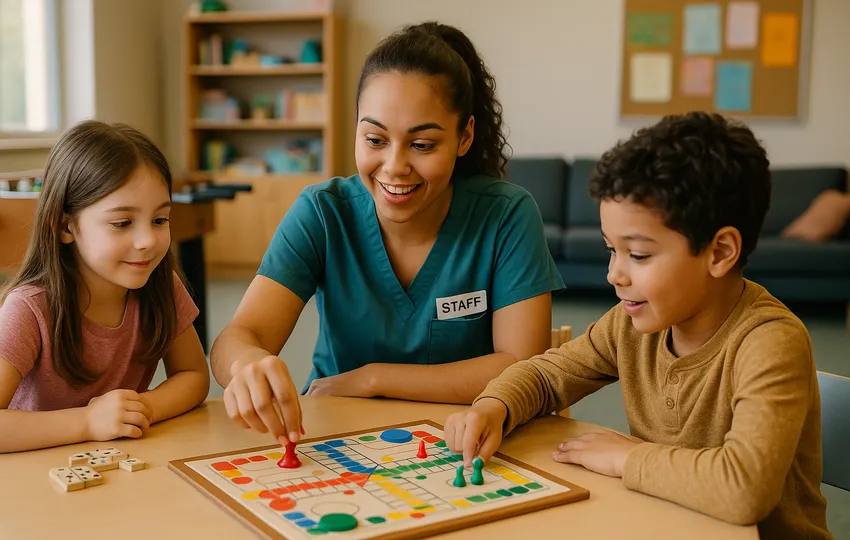
De-escalation is recognising rising tension early and using actions that lower the chance of harm. In children's homes this covers clear communication, offering space, timing interventions carefully, moderating tone, maintaining routines, adjusting the environment and applying consistent boundaries. It does not mean winning an argument or forcing submission in the moment.
Behaviour support describes the plans and practices that help a child stay regulated and reduce triggers. It includes knowing what calms the child, what increases their stress, what the agreed care plan requires, and how the team provides a consistent response across shifts. Safer responses prioritise the child’s welfare and dignity while protecting other children, staff and the environment from harm.
What good practice is trying to achieve
- Reduce risk: stop tension becoming injury, damage or criminalisation.
- Protect relationships: avoid the child seeing adults only as enforcers.
- Support regulation: recognise that calm thinking is unlikely at peak escalation.
- Keep boundaries clear: make what is safe and acceptable understandable for children.
- Minimise restrictive practice: avoid sliding to more intrusive options when less intrusive ones still work.
Staff do not need formal psychological qualifications to de-escalate effectively. They need sharp observation, self-control, knowledge of the child and a home culture that prioritises consistency over confrontation.
Children should also know safer responses are not about ignoring harm. Clear boundaries, repair and follow-up remain necessary, but they should be handled to reduce shame, fear and avoidable escalation.
Safe behaviour support is measured by reduced harm and better regulation, not by whether the adult feels they won.
Ask Dr. Aiden
Rate this page
Sign up now for a free account
Course tools & details

