

Understanding hearing loss, deafness, and Deaf culture
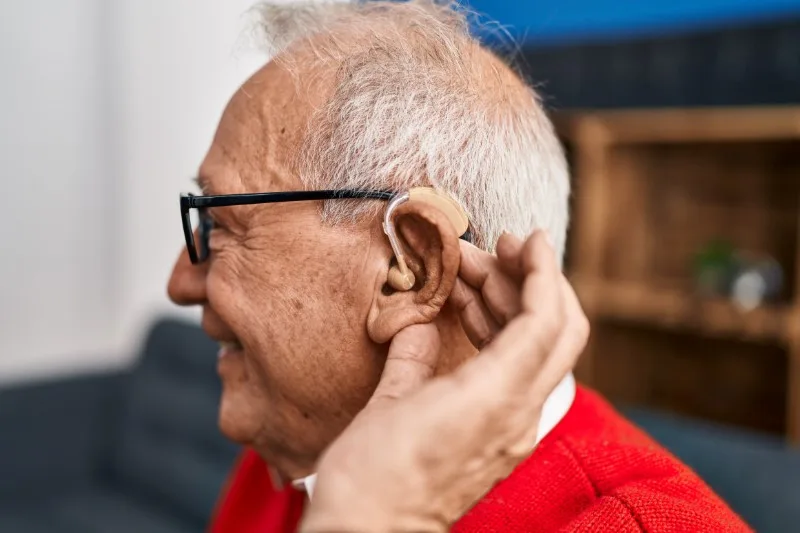
Hearing ability varies widely. Some people have mild or moderate loss; others are severely or profoundly deaf. Some use hearing aids or cochlear implants, some lip-read, some use spoken English and some use British Sign Language (BSL). In pharmacy settings, do not assume all Deaf or hard-of-hearing patients have the same needs or prefer the same communication methods.
Hearing loss and deafness are not one single experience
People may be deaf from birth, lose hearing later, or experience gradual decline. Some describe their situation in medical terms; others identify culturally as Deaf and view deafness as part of their language, community and identity.
- Mild or moderate hearing loss: a person may hear some speech but struggle in noisy environments or with unclear speech.
- Severe or profound deafness: a person may rely mainly on lip-reading, BSL, written communication or other visual methods.
- Communication needs vary: what works for one patient may not work for another.
Deaf culture and British Sign Language
Many culturally Deaf people use British Sign Language (BSL) as their first or preferred language. BSL has its own grammar and structure; it is not English signed word-for-word. For some BSL users, written English is less accessible than signed information.
Recognising Deaf culture helps staff communicate respectfully. It prompts staff to treat Deaf patients as people with language and cultural preferences rather than seeing deafness only as a clinical problem.
Why this matters in pharmacy
Pharmacy interactions often involve rapid exchanges, background noise, screens, masks, queues and complex information about medicines or services. Failing to recognise the diversity of Deaf and hard-of-hearing patients can create barriers to safe care.
What Does Deaf Mean?
Deaf and hard-of-hearing patients are not one single group. Pharmacy teams should avoid assumptions and ask what communication approach works best for the individual in front of them.
Ask Dr. Aiden
Rate this page
Sign up now for a free account
Course tools & details

