

Records, Confidentiality, and Professional Challenge
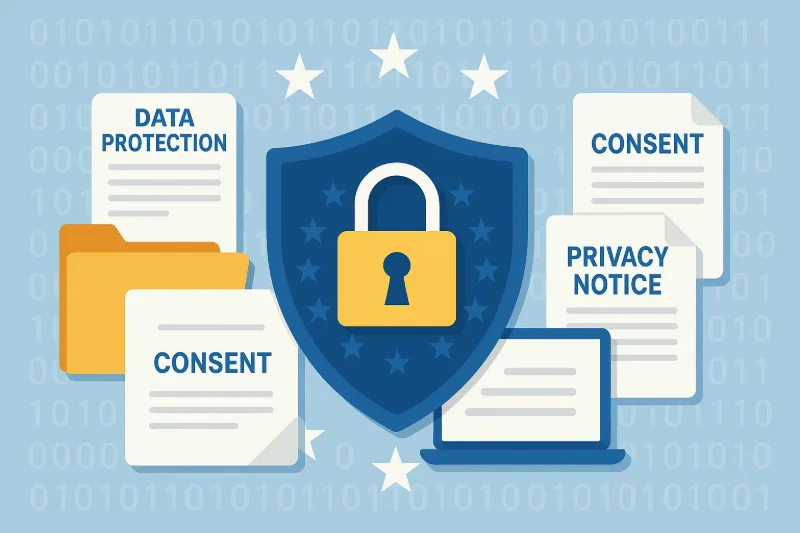
FGM safeguarding records must be accurate, timely, factual and respectful. Clear documentation protects patients, children, colleagues and the practice.
Record exactly what was said, who said it, who was present, what you observed, what action you took, who you informed and any advice you received. Use the patient's words where possible. Separate fact from opinion: write "Patient said..." for direct reports and "I am concerned that..." for your professional judgement.
Confidentiality matters, but it does not prevent lawful safeguarding. Share information without consent when required by law or when needed to protect a child or an adult at risk of serious harm. Share only what is relevant, with the appropriate people, by the correct route, and record why you shared it.
Dental nurses may need to challenge attempts to keep concerns quiet. If a dentist, owner or manager says not to record a concern because it is "too sensitive", explain that sensitivity is exactly why the record must be accurate and complete.
- Record promptly and objectively.
- Use your practice's safeguarding section or accepted process.
- Do not hide safeguarding concerns in vague notes.
- Document referrals, advice calls and decisions not to refer.
- Seek supervision after distressing cases.
Good safeguarding records are not gossip or accusation; they are a professional account of concern, action and rationale.
Ask Dr. Aiden
Rate this page
Sign up now for a free account
Course tools & details

