
FGM Awareness Level 3 for Dental Nurses (Level 3)

Recognising FGM risk, safeguarding duties, mandatory reporting, sensitive communication, records, information sharing, and speaking up in dental practice

  • Reputation

    No token earned yet.

    Reach 50 points to earn the Peridot (Trainee Level).

  • CPD Certificates

    Certificates

    You have CPD Certificates for 0 courses.

  • Exam Cup

    No cup earned yet.

    Average at least 80% in exams to earn the Bronze Cup.

Launch offer: Certificates are currently free when you create a free account and log in. Log in for free access

Understanding FGM and Level 3 Safeguarding
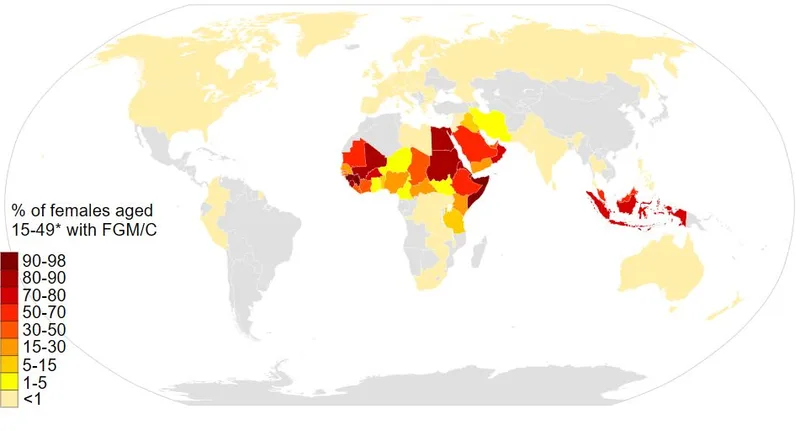
World map showing FGM/C prevalence by country

Female genital mutilation (FGM) means any procedure that deliberately cuts, injures, removes, or alters female genital tissue for non-medical reasons. It has no health benefit, is illegal in the UK, and is treated as abuse and a human rights violation.

Dental nurses are not expected to examine or investigate FGM. Your role is to recognise possible risk, respond safely, and follow the practice's safeguarding procedures. Level 3 safeguarding involves using professional judgement, contributing relevant information to multi-agency processes, making clear records, and challenging delay or minimisation when necessary.

Families may use local or traditional words instead of the term FGM, or avoid the term entirely. That is why calm, respectful language matters. A dental nurse might hear about travel, family expectations, pain, urinary problems, anxiety, or previous trauma before FGM is mentioned.

  • FGM can affect children, young people, and adult survivors.
  • Risk cannot be assumed from ethnicity, nationality, religion, dress, or language alone.
  • A single comment may form part of a wider safeguarding picture.
  • Immediate danger always requires urgent action.

Level 3 practice means being curious, proportionate, and active: notice, record, seek advice, escalate, and keep the patient or child at the centre.

Female genital mutilation (FGM) | NHS

Video: 5m 44s · Creator: NHS. YouTube Standard Licence.

This NHS video describes FGM as a harmful non-medical practice, illegal in the UK, and often carried out before puberty. It separates two tasks for safeguarding: identifying women and girls who have already undergone FGM so they can receive support, and protecting girls who may be at risk. For dental nurses, the practical point is to stay alert to signs of risk, avoid assumptions, and follow safeguarding routes rather than managing concerns alone.

Was this video a good fit for this page?

Scenario

A 12-year-old patient mentions she is going away for a long family visit during the summer holiday. She becomes quiet when her aunt says, "She is becoming a woman now." The dentist is running late and seems ready to move on.

What should the dental nurse do?


Ask Dr. Aiden


Rate this page


Course tools & details Study tools, course details, quality and recommendations
Funding & COI Media Credits
