
Fire Training for Children's Homes Staff

Preventing fire, responding to alarms and supporting safe evacuation in residential child care

  • Reputation

    No token earned yet.

    Reach 50 points to earn the Peridot (Trainee Level).

  • CPD Certificates

    Certificates

    You have CPD Certificates for 0 courses.

  • Exam Cup

    No cup earned yet.

    Average at least 80% in exams to earn the Bronze Cup.

Launch offer: Certificates are currently free when you create a free account and log in. Log in for free access

What to do if the alarm sounds or fire is discovered
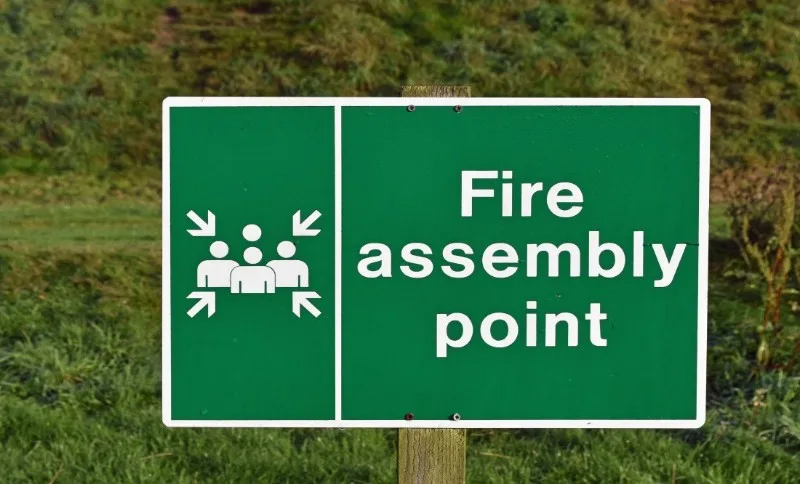
Green fire assembly point sign outdoors

If smoke or fire is discovered, or the alarm sounds, act immediately. Raise the alarm if it has not already activated. Follow the home's fire procedure. Protect children and staff and move people using the agreed evacuation method. Call 999 when your procedure requires it, or immediately if that is your local arrangement.

Do not delay to investigate or assume it is a false alarm. Fires can spread quickly, and people may be disoriented or asleep. Calm, prompt action is more important than attempting to be brave.

Calling 999 for the Fire Service

Video: 4m 32s · Creator: DWFireRescue. YouTube Standard Licence.

This Dorset and Wiltshire Fire and Rescue Service video describes the process after a 999 call for the fire service. Crew Manager Sarah Knell explains that the call first goes to a BT operator, then to Fire Control, which asks for the incident address and what is happening.

The video emphasises that location is the most important detail because crews can be mobilised while other information is still being gathered. Useful details include postcode, road name or What3Words, how many people are involved, where the fire is, whether anyone is affected, any chemicals or hazards, and the best access point.

It also explains why clear, brief answers help during a stressful call. Fire Control may stay on the line, give advice such as closing doors or getting low, and pass updates to crews by radio. Callers may be asked to stay well back, stand somewhere visible and guide the arriving crew if it is safe to do so.

Was this video a good fit for this page?

Fire extinguishers should only be used by trained staff, on small fires, with the correct extinguisher and while a safe escape route remains clear. Evacuation, raising the alarm and calling for help remain the priorities.

How to use a Fire Extinguisher - PASS

Video: 2m 38s · Creator: Australian Fire Protection. YouTube Standard Licence.

This Australian Fire Protection video demonstrates using a fire extinguisher with the PASS method. Before PASS it shows placing the extinguisher on a secure surface, holding it by the neck and breaking the tamper seal.

The PASS steps are shown in sequence: pull the pin, aim the nozzle or hose at the fire, squeeze the handles and sweep the extinguisher backwards and forwards. A live-fire demonstration repeats the same sequence.

The video advises keeping enough distance so the extinguisher does not blow burning material back or spread it. After the fire appears out, take two steps back and reassess. If the fire is extinguished, move to a safe area.

Was this video a good fit for this page?

First actions usually include

  • Raise the alarm.
  • Protect people first.
  • Follow the local route and evacuation plan.
  • Close doors where safe if that is part of the plan.
  • Pass clear information to emergency services and senior staff.

Scenario

During the night, a worker smells smoke near a utility area but does not want to trigger a false alarm before checking more closely.

Why is that risky?


When smoke or fire is suspected, early alarm and clear action are safer than quiet delay.

Ask Dr. Aiden


Rate this page


Course tools & details Study tools, course details, quality and recommendations
Funding & COI Media Credits
