

Clean hands, storage, cooking and cross-contamination
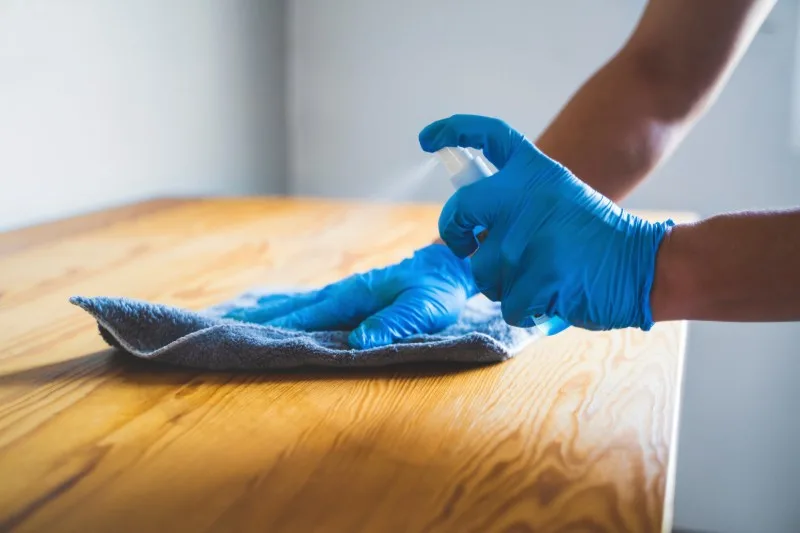
Food Standards Agency guidance keeps returning to the same everyday measures because they prevent common food harms. Clean hands, clean surfaces, safe storage, checking dates, thorough cooking and keeping raw food separate from ready-to-eat items are the practical backbone of safer food handling.
In children's homes these measures matter even for simple tasks like making toast, reheating leftovers, packing snacks or supervising a young person cooking. A busy or rushed shift is precisely when contamination risks and shortcut thinking appear.
Food safety coaching (Part 1): Handwashing
Food-safety basics staff should apply
- Wash hands properly before handling food and after contamination risks.
- Clean and sanitise food areas and equipment as your local system requires.
- Keep raw foods away from ready-to-eat foods.
- Store chilled and frozen foods safely and follow local temperature checks.
- Check use-by dates and do not serve food that is unsafe or doubtful.
Food becomes unsafe in simple ways: raw chicken juice on a chopping board, an opened carton kept too long, a meal left warm for hours, a cloth used on several surfaces, or hands moving from bins, pets, phones or cleaning tasks straight back to food. Safer practice means spotting these moments and stopping them early.
Food safety coaching (Part 2): Keeping equipment separate
Staff illness matters. Vomiting, diarrhoea and other infections can spread through food handling, so staff must follow local sickness reporting and return-to-food-handling rules rather than working while infectious.
Use-by dates are safety limits. Best-before dates relate to quality, but staff should check condition, storage and local policy before serving food that is near or past a date mark.
Food safety coaching (Part 8): Chilling foods
When staff are unsure whether food may have been contaminated, the safer choice is to stop, discard if needed and reset the process.
Ask Dr. Aiden
Rate this page
Sign up now for a free account
Course tools & details

