
GP Appointment Types for GP Receptionists and Care Navigators

Common appointment types, team pathways and booking records

  • Reputation

    No token earned yet.

    Reach 50 points to earn the Peridot (Trainee Level).

  • CPD Certificates

    Certificates

    You have CPD Certificates for 0 courses.

  • Exam Cup

    No cup earned yet.

    Average at least 80% in exams to earn the Bronze Cup.

Launch offer: Certificates are currently free when you create a free account and log in. Log in for free access

Same-day, urgent and routine requests
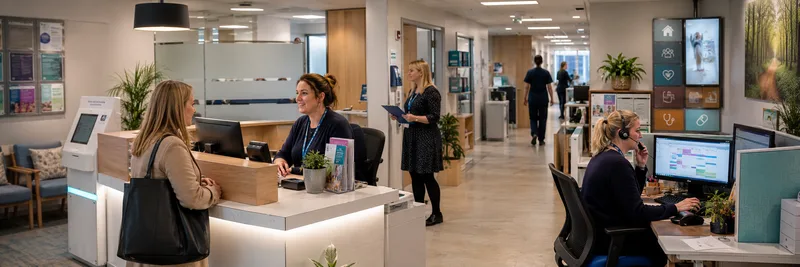
GP practice reception desk with staff assisting patients

"Same-day", "urgent" and "routine" are distinct labels describing how practices handle time-sensitive and less time-sensitive work.

Reception staff must not judge clinical urgency on personal opinion. Use the practice script, template, care navigation process or clinician review route. If a request sounds urgent, unsafe or unclear, escalate according to local rules.

The Role of the GP Receptionist - Faces of Primary Care

Video: 2m 39s · Creator: NHS Greater Glasgow and Clyde. YouTube Standard Licence.

This NHS Greater Glasgow and Clyde video features Louise McGregor, a GP receptionist, describing the receptionist role within patient care. She covers answering calls, booking appointments, following up clinic information, handling test results and directing patients to the correct route for their concern.

The video explains that receptionists ask about the reason for contact to decide what support is needed and which route fits the practice process. Examples include appointments, telephone consultations, signposting to pharmacy, physiotherapy, advanced nurse practitioner or mental health services, and urgent escalation when required by practice procedure.

Louise makes clear the questions help match patients to the right service rather than invade privacy. She also notes the value of rapport and ongoing relationships with patients.

Was this video a good fit for this page?

Practical distinctions

  • Same-day: dealt with today because the local process or clinician identifies that need.
  • Urgent: may require rapid review or escalation, depending on the protocol.
  • Routine: suitable for a planned future contact when no urgent trigger is present.
  • Overflow or hub: may be used when local arrangements send work to another service.

Do not downgrade a request because the usual slot is full; follow the escalation route when the correct pathway is unavailable.

Scenario

The duty clinician has marked a request as needing same-day contact. The only visible same-day slots are full, but there are routine appointments next week.

What should you do?


Ask Dr. Aiden


Rate this page


Course tools & details Study tools, course details, quality and recommendations
Funding & COI Media Credits
