

Storage, security, fridge medicines and controlled medicines
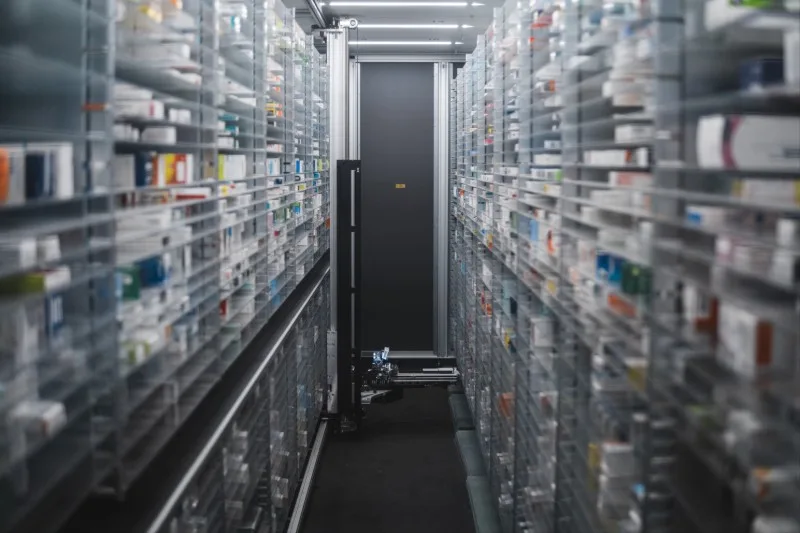
Medicines must be stored safely and securely, following the label and the home's policies. This includes locked cupboards, restricted access, a dedicated fridge for temperature-sensitive items, regular expiry checks, clear stock control and specific arrangements for medicines a young person may keep themselves. These measures protect safety and preserve dignity.
Controlled medicines and other high-risk drugs require extra controls. Staff must follow the home's procedures for receipt, storage, witnessing, record-keeping, discrepancy checks and disposal. Medicines kept in the wrong place, shared between children or retained without authorisation are a safety concern, not merely a tidiness issue.
Storage principles
- Keep medicines secure: unauthorised access creates health and safeguarding risks.
- Store as directed: fridge items and room-temperature items require the correct conditions.
- Check expiry and stock: remove expired items and investigate missing stock promptly.
- Know what children may keep: record any self-administration plans and the limits agreed.
- Escalate discrepancies: report missing tablets or unexplained loss without delay.
Safe storage is part of medicines care, not an afterthought once the dose is finished.
Ask Dr. Aiden
Rate this page
Sign up now for a free account
Course tools & details

