
Medication Support and Administration in Children's Homes

Handling medicines safely, following the plan and promoting children's health in residential care

  • Reputation

    No token earned yet.

    Reach 50 points to earn the Peridot (Trainee Level).

  • CPD Certificates

    Certificates

    You have CPD Certificates for 0 courses.

  • Exam Cup

    No cup earned yet.

    Average at least 80% in exams to earn the Bronze Cup.

Launch offer: Certificates are currently free when you create a free account and log in. Log in for free access

Tablets, liquids, inhalers, creams and common medicines support
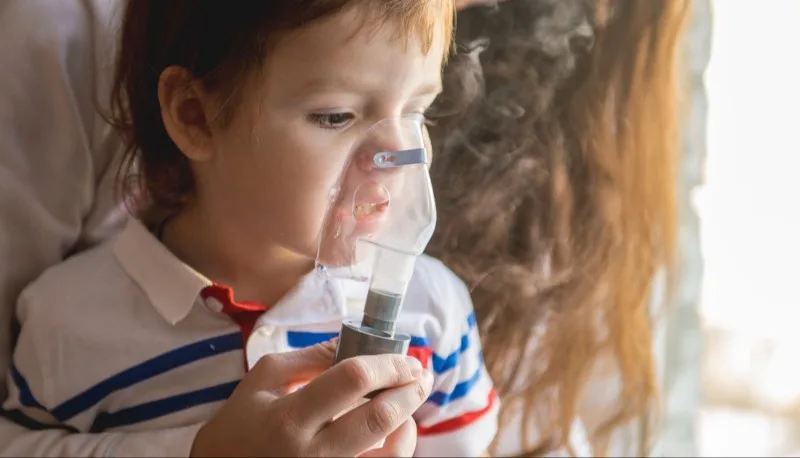
Child holding a nebulizer mask to face

Different formulations require different handling. Use the correct oral syringe or measuring device for liquids. Give tablets exactly as prescribed. Use the child’s prescribed inhaler, spacer and technique. Apply creams and ointments to the correct site, in the correct amount and at the correct time, and record applications where local policy requires it.

NHS guidance for children emphasises checking the label, giving the right dose for the child, and never using a kitchen teaspoon to measure liquid medicine. Do not crush tablets, open capsules or mix medicines with food unless you have clear, current, child-specific authority to do so.

How to give medication safely | AboutKidsHealth at The Hospital for Sick Children

Video: 1m 32s · Creator: AboutKidsHealth - The Hospital for Sick Children. YouTube Standard Licence.

This AboutKidsHealth video covers basic safety when giving medicine to a child. It highlights three essentials: the right medicine, the right dose and the right method, because incorrect use can reduce effectiveness or cause harm.

Read the label before giving a medicine - check timing, whether it is for symptoms only, and whether it should be taken with or without food. For liquids, use the syringe or measuring spoon supplied by the pharmacy, fill to the marked line while viewing the barrel at eye level, and remove any air bubbles.

The video also warns about combination medicines that may contain the same active ingredient. Ask a doctor or pharmacist if the dose or combination is unclear, find out what to do after a missed dose, request instructions in a preferred language, keep an up-to-date list of medicines, and use the same pharmacy where possible. Check for unexpected changes in tablets, do not share a child's medicine, and call a pharmacist or the poison information centre if an overdose is suspected.

Was this video a good fit for this page?

Common formulation reminders

  • Liquids: use the right syringe or cup and check the label each time.
  • Tablets: do not alter them casually to make administration easier.
  • Inhalers: follow the child's plan, including any spacer and timing instructions.
  • Creams and ointments: apply only as directed and avoid mix-ups between children.
  • Devices: keep them clean, available and linked to the right child.

Scenario

A worker gives a young person's inhaler during a wheezy evening but does not check which inhaler is due or how many puffs the plan says to give.

Why is this unsafe even though the worker was trying to help quickly?


When the formulation changes, the safe technique changes too.

Ask Dr. Aiden


Rate this page


Course tools & details Study tools, course details, quality and recommendations
Funding & COI Media Credits
