

Return, repair and reducing repeat missing episodes
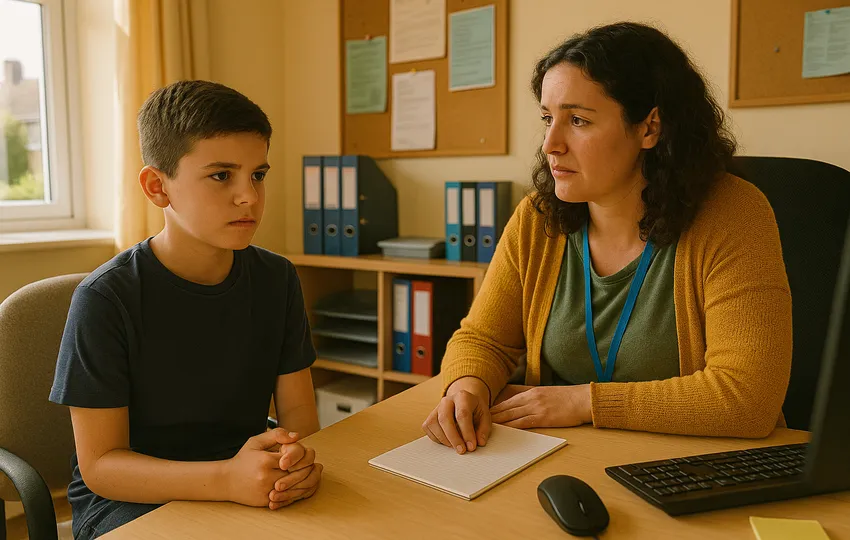
A child's return is a safeguarding moment, not the end of the work. Children may come back hungry, exhausted, frightened, angry, ashamed, intoxicated, injured or desperate to sleep. A calm welcome and an immediate safety check are essential.
In England the responsible local authority must offer an independent return home interview after a child is missing from care. Homes should use the information from that interview, together with their own discussions and observations, to establish what happened and what needs to change to reduce future harm. Wales, Scotland and Northern Ireland have different return and follow-up arrangements; staff must follow local procedure in those nations.
Safer return practice
- Meet immediate needs: provide food, drink, warmth, washing, rest and urgent medical care as required.
- Check safety: look for injuries, signs of intoxication, sexual health concerns or indicators of assault and follow local procedures.
- Use calm curiosity: listen without shaming, sarcasm or aggressive questioning.
- Record return details: write down the child's account and what staff observe, factually and without comment.
- Update the plan: review places visited, contacts, devices, known triggers and protection measures.
- Look for repeat patterns: timing, routes, contacts and triggers can show recurring risks more clearly than a single dramatic disclosure.
Return practice is safer when it combines immediate care, careful recording and determined follow-up.
Ask Dr. Aiden
Rate this page
Sign up now for a free account
Course tools & details

