

What nutrition, hydration and dehydration mean in care settings
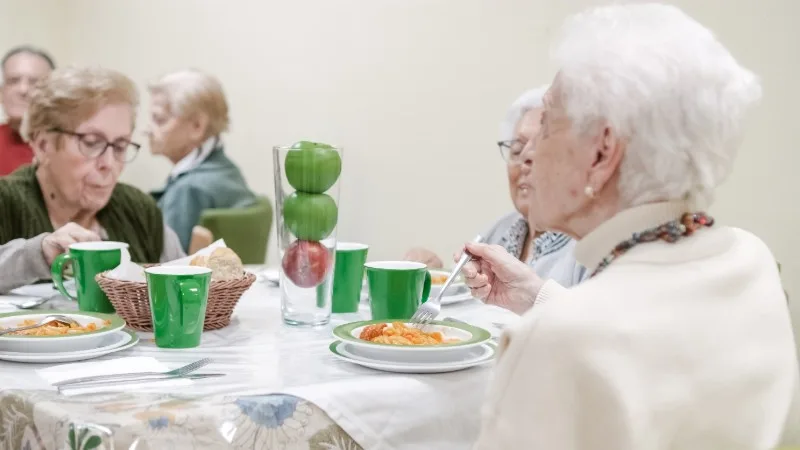
In care settings, nutrition and hydration are practical parts of keeping people well. In England, CQC Regulation 14 requires that people receive suitable, nutritious food and adequate fluids, and that they get support to eat and drink when needed.
Across the UK, the same expectation applies: provide suitable food and drinks and offer help when someone cannot manage independently. For CQC-regulated services, nutrition and hydration must be covered in initial assessments and in regular reviews. Staff should use current assessment tools and act quickly if someone is not eating or drinking according to their assessed needs.
NICE guidance on nutrition support covers adults who are malnourished or at risk in hospital, at home or in a care home. For frontline staff, this means poor intake, weight loss, swallowing difficulties and dehydration are clinical concerns that require observation, practical support, accurate records and escalation when needed.
What these words mean in everyday practice
- Nutrition: getting enough energy, protein, fluids, vitamins, minerals and fibre from food, drinks and planned support.
- Hydration: having enough fluid for the body to work safely and comfortably.
- Dehydration: when the body loses more fluid than it takes in; it can become serious if it worsens.
- Person-centred support: providing food, drinks, timing, environment and assistance based on the person's assessed needs and preferences.
- Role-boundary care: care staff support and report on intake; diagnosis and specialist nutrition treatment are the responsibility of trained professionals.
Important limits and reminders
- Do not use one-size-fits-all advice: some people have fluid restrictions, swallowing plans, end-of-life priorities or other specialist needs.
- Do not assume refusal equals choice without context: pain, mouth problems, confusion, nausea, constipation or distress may be reducing intake.
- Do not rely on thirst alone: some older adults do not recognise or express thirst clearly.
- Do not separate food and drink from wider health: constipation, falls, delirium, wound healing and infection risk can all be affected by nutrition and hydration.
Safe nutrition and hydration support means noticing what the person needs, helping them eat and drink in the right way, and acting early when that changes.
Ask Dr. Aiden
Rate this page
Sign up now for a free account
Course tools & details

