

Welcome
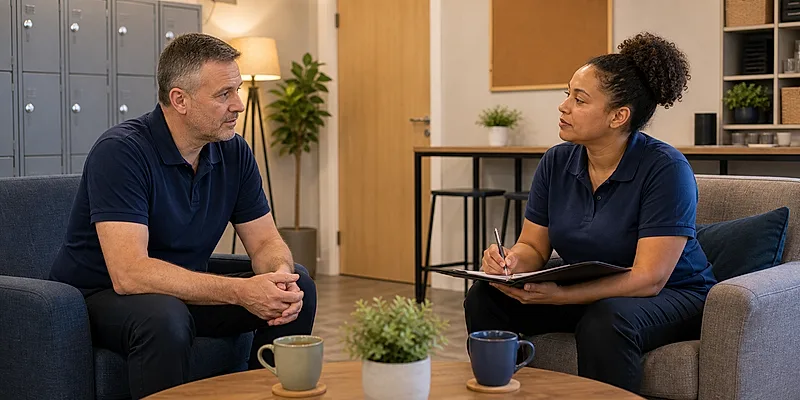
Children's homes rely on relationships, but those relationships must remain safe, transparent and professional. Clear boundaries protect children from grooming, confusion, favouritism and exploitation. They also protect staff from unnecessary risk, misunderstanding and unsafe over-involvement. Serious boundary failures often begin with small secrecy, blurred exceptions or a worker separating from the team and the rules.
This course is aimed at residential child care workers, senior residential workers, waking night staff, team leaders, deputy managers, registered managers and other staff working in children's homes and residential child care settings. It is a frontline safer-working course and does not replace local safeguarding procedures, allegations management processes, whistleblowing policy, HR advice or legal advice.
This is a UK-wide course. It uses common safeguarding and safer-working principles and refers to England sources where relevant, including Working Together to Safeguard Children 2026, the children's homes regulations guide, the current children's homes inspection framework, the children's social care national framework and Ofsted safer recruitment guidance. Staff in other UK nations should follow their local policy and procedures.
Why This Course Matters
- Boundaries protect children: safe care depends on adults being accountable and clear about limits.
- Small blur can grow: secrecy and repeated exceptions create space for grooming.
- Speaking up matters: staff should report concerns about adults promptly.
- Fair process matters too: children require protection and staff require proper procedure when allegations arise.
- Culture matters: homes are safer when unclear or risky conduct is challenged early.
A Simple Safer-Working Spine
- Keep relationships warm but professional.
- Avoid secrecy and private exceptions.
- Record and share concerns about staff conduct.
- Put child safety first when allegations arise.
- Use supervision and management oversight actively.
Rate this page
Sign up now for a free account
Course tools & details

