
Safe Use of SMS, Email and Online Messaging for GP Receptionists and Care Navigators

Safe digital communication through approved patient messaging routes

  • Reputation

    No token earned yet.

    Reach 50 points to earn the Peridot (Trainee Level).

  • CPD Certificates

    Certificates

    You have CPD Certificates for 0 courses.

  • Exam Cup

    No cup earned yet.

    Average at least 80% in exams to earn the Bronze Cup.

Launch offer: Certificates are currently free when you create a free account and log in. Log in for free access

Online requests, replies and attachments
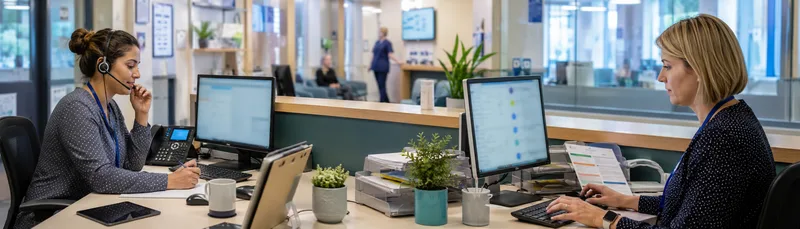
Two reception staff working at desks

Online messaging carries the same clinical risk and confidentiality issues as other contacts. Requests, replies, photos, documents and attachments can contain urgent symptoms, safeguarding concerns, identity information or other sensitive material.

Online requests still need safe handling

Patients may use online messaging because they cannot get through by phone, are embarrassed, have limited English, fear being overheard, or expect a quicker response. Staff should identify the practical request and also look for signs of urgency, unsafe contact, third-party involvement or safeguarding risks.

Do not assume an online request is routine. Messages about chest pain, self-harm, pregnancy bleeding, a very unwell child, or someone being unsafe at home must follow the local urgent process.

Be careful with attachments

  • Check whether the attachment is expected before opening when local policy requires caution.
  • Do not download files to personal devices or store them outside approved systems.
  • Consider dignity and sensitivity for intimate images or safeguarding material.
  • Record what was received and the actions taken without copying unnecessary detail into visible notes.

An online message should be routed by its content and risk, not by the fact it arrived digitally.

Patient Online: Safe access to online GP records

Video: 3m 50s · Creator: NHS England. YouTube Standard Licence.

This NHS England video shows a practice explaining safe patient access to online records. It demonstrates patients using online services to book appointments, order prescriptions and view records, and shows reception staff verifying identity before granting access.

The practice describes checking records before allowing detailed access, including whether entries should be hidden. It links this to the practice's role as data controller and the need to avoid harm from releasing information.

The video highlights situations needing extra care, including anxiety, safeguarding concerns and records containing third-party information. In those cases, the practice may arrange a discussion with the patient, decide online access is unsuitable, or withhold access where safeguarding risk exists.

Was this video a good fit for this page?

Scenario

An online request states, "Do not reply by text. My partner checks my phone. I need help about injuries." A photo is attached.

What should happen next?


Ask Dr. Aiden


Rate this page


Course tools & details Study tools, course details, quality and recommendations
Funding & COI Media Credits
