
Saying No Safely for GP Receptionists and Care Navigators

Practical wording for unsafe, unavailable or inappropriate requests, with empathy and alternatives

  • Reputation

    No token earned yet.

    Reach 50 points to earn the Peridot (Trainee Level).

  • CPD Certificates

    Certificates

    You have CPD Certificates for 0 courses.

  • Exam Cup

    No cup earned yet.

    Average at least 80% in exams to earn the Bronze Cup.

Launch offer: Certificates are currently free when you create a free account and log in. Log in for free access

Recording refusal, limits and next steps
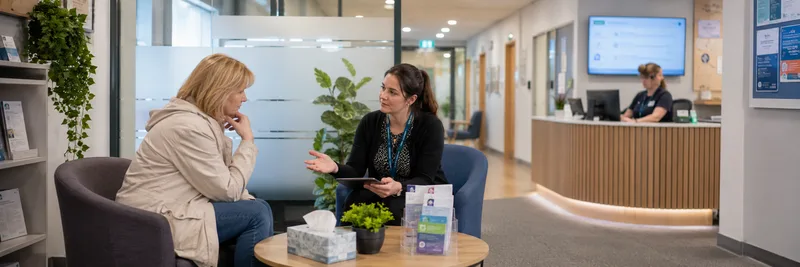
Two women talking in GP practice reception area

Records should note what was asked for, what could not be done, what was offered instead and whether the issue was escalated.

Why records matter

A clear record shows the next staff member what was requested, why it could not be met, what advice or alternative route was given, and any remaining risk or barrier.

Records also protect staff. If a patient later says they were refused help, the notes should show whether an alternative was offered, whether urgency was checked, and who took responsibility.

Record

  • The request in the patient's words where possible.
  • The limit or refusal given, without judgemental wording.
  • The alternative or route offered, including whether the patient accepted or declined it.
  • Any escalation, complaint route or safety concern.
  • Any access barrier, such as language, disability, digital exclusion or unsafe contact.

Keep the tone factual

Avoid labels such as "demanding", "trying it on", "awkward" or "rude" unless specific behaviour is relevant to safety. Record what was said or done: "caller shouted and used abusive language after being told appointment was unavailable" is more useful than "caller was difficult".

If a no affects the patient's next step, the record should make that visible.

Why Documentation Matters – Catherine Gaulton

Video: 3m 37s · Creator: HIROC. YouTube Standard Licence.

This HIROC video features Catherine Gaulton explaining why healthcare documentation matters. Drawing on her experience as a nurse and lawyer, she says documentation should make clear what happened and what the next person needs to know to continue care safely.

The video notes that good notes also support quality review and can have legal value, but the primary purpose is communication for care. If a record lets the next colleague understand what happened and what matters for the patient's care, it will usually serve legal needs as well.

Gaulton's practical advice is to tell the patient story concisely. Notes should capture what was happening, what mattered, and what was done, without becoming a long narrative no one will read.

Was this video a good fit for this page?

Scenario

You decline to share a result with an unauthorised relative and explain how the patient can contact the practice.

What should the record include?


Ask Dr. Aiden


Rate this page


Course tools & details Study tools, course details, quality and recommendations
Funding & COI Media Credits
