

Why saying no is part of safe access
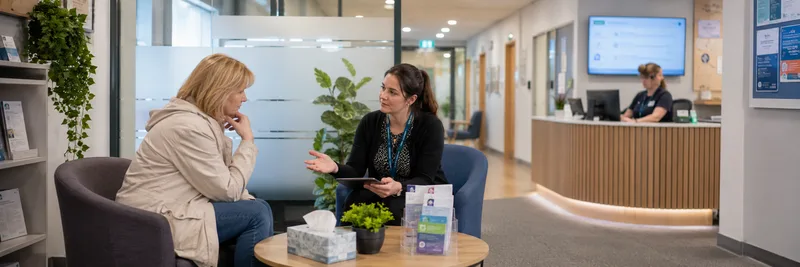
In GP reception, agreeing to every request can create risk. Saying yes to the wrong thing may breach confidentiality, amount to clinical advice, create unfair access, increase staff workload or divert an urgent concern into an inappropriate route.
Why a no may protect the patient
A patient might seek reassurance because they are anxious. A relative may request information out of concern. A familiar patient may ask a receptionist for a favour because of trust. Even reasonable intentions can lead to unsafe outcomes.
A safe no keeps the contact on the correct pathway. It avoids false reassurance, prevents unauthorised disclosure and ensures clinical or safeguarding issues are escalated rather than treated as routine admin.
Why a no may protect fairness
Hidden exceptions make access unfair. Fitting one patient into a slot outside the agreed process can deny another patient timely care and removes a proper review of priority. Fairness means using the same safe decision process for all requests, not treating everyone identically.
When a patient is distressed, staff may feel pressure to resolve the issue immediately. The safer response is to acknowledge the distress, follow the agreed process, and escalate if that process does not resolve the risk.
Reasons to say no
- The request is outside your role: for example clinical advice, interpretation of results or medication decisions.
- The requested route is unavailable: for example a named clinician, hidden slot or closed online pathway.
- The caller lacks authority: for example a relative asking for appointment details without recorded consent.
- The request would be unfair: for example queue-jumping or favour-based access.
- The request is unsafe: for example sending a message to a phone that may be monitored.
A safe no protects the patient, the staff member and the practice process.
Brené Brown on Empathy
Ask Dr. Aiden
Rate this page
Sign up now for a free account
Course tools & details

