

Personal education plans, key adults and joined-up support
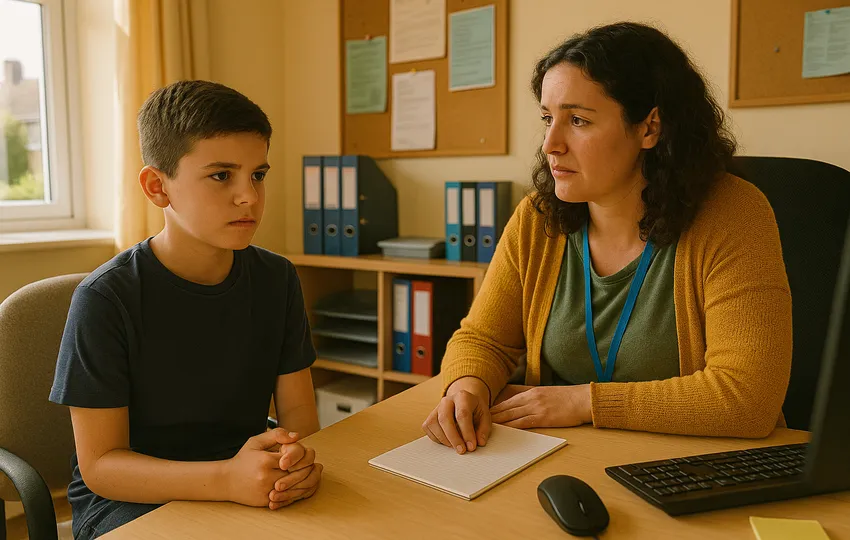
Personal education plans (PEPs in England) record a child's learning needs, goals, barriers and agreed support. Residential staff do not create the whole education response, but they hold details schools and virtual school services may not see unless the home contributes clearly.
Homes should know who the key adults are around the child's education: the designated teacher, virtual school contact, social worker, SEN lead where relevant, and any tutor or alternative provision lead. Without that knowledge, support becomes guesswork and absences are more likely to continue.
What good joined-up support includes
- Clear current goals: attendance, stability, belonging and progress should be recorded and visible.
- Named adults: staff must know who to contact and which responsibilities each adult holds.
- Practical strategies: the plan should list specific steps staff can use on shift.
- Review of barriers: update the plan when patterns of difficulty change.
- The child's voice: include the child's views about what they find hard and what helps.
The education plan should be something staff can act on today, not something they vaguely remember exists.
Ask Dr. Aiden
Rate this page
Sign up now for a free account
Course tools & details

