

Why education can feel difficult for children in children's homes
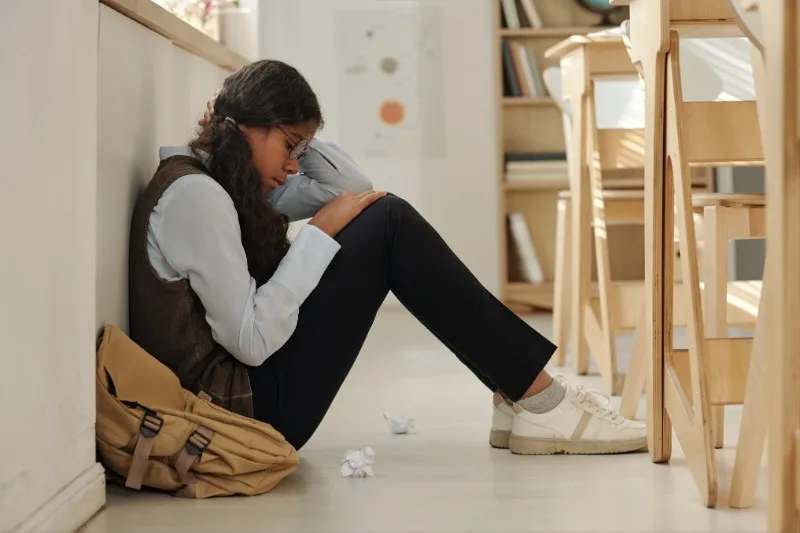
School often carries heavy emotional weight for children in residential care. A young person may be managing trauma, disrupted schooling, bullying, shame about being in care, worries about contact, low confidence, unmet additional learning needs, or repeated experiences of adults expecting failure. Missing school can be the visible outcome of these underlying issues.
Staff are most effective when they stay curious about what school means to the child. A child who says they hate school may be saying they feel stupid, unsafe, different or too dysregulated to cope with another demanding day.
Barriers staff should think about
- Trauma and anxiety: learning is harder when the body is in survival mode.
- Bullying and stigma: being known as a child in care can affect belonging and peer relationships.
- Unmet need: SEND, speech and language difficulties, neurodivergence or low literacy may be misunderstood or unassessed.
- Contact and family stress: weekends, phone calls and reviews can disrupt sleep and make mornings harder.
- Repeated failure: children may stop expecting school to be manageable and withdraw to avoid more negative experiences.
When a child struggles with school, the safest starting point is to ask what is hard, not what is wrong with them.
Ask Dr. Aiden
Rate this page
Sign up now for a free account
Course tools & details

