

Prevention, treatment support and recovery
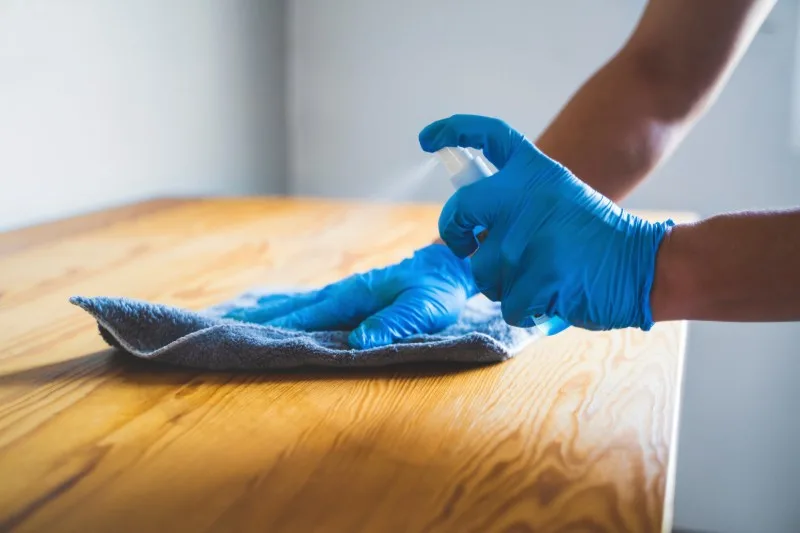
Not all sepsis can be prevented, but consistent everyday care reduces infection risk and helps staff spot problems earlier. Prevention and recovery are part of the same safety picture as recognition and escalation.
Reducing infection risk
- Follow infection prevention practice: hand hygiene, PPE, cleaning, waste handling, laundry practice and isolation procedures where required.
- Protect skin integrity: report pressure damage, wounds, redness, swelling, heat, discharge or delayed healing.
- Support catheter safety: follow catheter-care plans, report blockage, leakage, pain, blood, low output or signs of infection.
- Support hydration and nutrition: report reduced intake, vomiting, diarrhoea, dry mouth, dizziness or reduced urine.
- Encourage vaccination where appropriate: follow local policy and signpost residents or families to clinical advice about flu, COVID-19, pneumococcal or other vaccines.
- Use antibiotics safely: give prescribed medicines correctly if this is part of your role, and report missed doses, refusal, vomiting or side effects.
Antibiotics are used when clinicians suspect bacterial sepsis. Starting antibiotics "just in case" is a clinical decision, not one for care-home staff. Your role is to give accurate information, monitor response to treatment and escalate if someone deteriorates, not to press for a specific drug.
After suspected or confirmed sepsis
Recovery can take time. Residents returning from hospital may be weaker, more tired, more confused or more anxious. They may have reduced mobility or new equipment, wounds, medicines, catheters or follow-up needs. Read discharge information carefully, follow the updated care plan and report any new signs of infection, deterioration or problems with medicines or equipment.
Sepsis safety starts before the emergency and continues after hospital. Prevent infection, spot deterioration, support treatment and watch recovery.
Ask Dr. Aiden
Rate this page
Sign up now for a free account
Course tools & details

