

Welcome
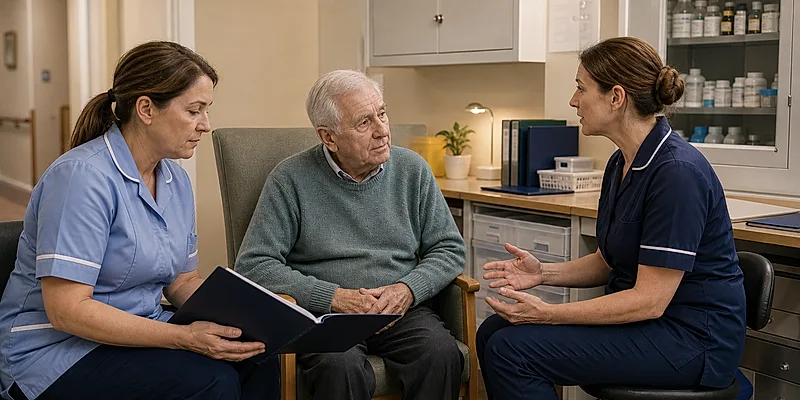
Sepsis is a life-threatening response to infection that can be hard to recognise, especially in older people, those with dementia, people with learning disabilities, people who communicate differently and those with multiple long-term conditions. In care settings, frontline staff are often the first to notice when a resident is becoming unwell.
This course is aimed at care assistants, senior carers, support workers, night staff, activity staff, domestic staff who notice resident changes, team leaders, supervisors and other frontline staff working in residential and nursing homes, supported living and other adult social care settings.
The course covers adults aged 16 or over who are not pregnant or recently pregnant. It uses NICE guideline NG253, published on 19 November 2025, as the main clinical source for suspected sepsis in this group. NICE has separated the older all-age sepsis guideline into distinct documents, so local policies may still be updating.
This is a UK-wide course. The practical actions for care staff are the same: notice possible infection and deterioration, use observations or local tools within your role, escalate promptly, communicate clearly and continue monitoring. Local urgent-care routes, regulators and the pace of adopting NICE guidance differ across England, Wales, Scotland and Northern Ireland, so follow your employer's procedure and local clinical advice.
Why This Course Matters
- Sepsis is time-critical: early recognition and treatment increase the chance of survival.
- It can look vague at first: a resident may be "not right", more confused, weaker, breathless, cold, clammy, drowsy or less able to do usual tasks.
- Fever is not always present: older, very frail or immunosuppressed people may not develop a high temperature.
- Care staff know residents' baselines: small changes from normal can be clinically important.
- Escalation needs clear information: observations, urine output, mental-state changes, infection signs, medicines and advance plans help clinicians decide urgency.
How This Course Will Help You
By the end of the course you should be better able to recognise possible infection and deterioration, spot signs that may suggest sepsis, use local observation or deterioration tools if you are trained, escalate urgent concerns, communicate clearly with clinicians and families, record key information and support residents after suspected or confirmed sepsis.
A Simple Sepsis Spine
- Think infection: consider chest, urine, wounds, skin, abdomen, catheters, recent surgery or another possible source.
- Notice deterioration: watch for changes in behaviour, breathing, circulation, urine, temperature, skin, alertness and functional ability.
- Use observations if trained: do not delay urgent help while attempting to complete a tool.
- Escalate clearly: say "I am concerned about possible sepsis" when that is your concern.
- Keep watching: deterioration can continue while waiting for advice, transport or review.
Rate this page
Sign up now for a free account
Course tools & details

