

Harm reduction, recovery support and everyday relationship-based work
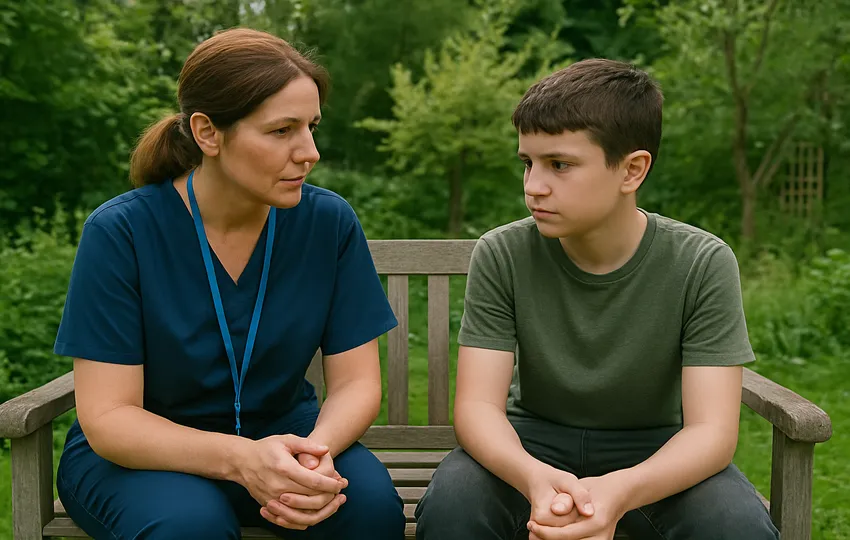
Harm reduction in children's homes does not mean accepting unsafe use. It means taking actions that lower immediate danger, keep children connected to adults and open routes into appropriate help. Shame often makes children hide, avoid help and give false accounts. Calm, boundaried support is more likely to lead to safer choices.
Relationship-based work can include asking what the child uses and why, explaining specific risks, noticing triggers, supporting alternative coping, linking with health or substance services, and maintaining clear safety rules without turning every incident into a confrontation.
What helpful day-to-day work can include
- Stay usable: children need adults they can still approach after a mistake.
- Reduce immediate harm: respond to intoxication, mixing risk and unsafe settings promptly.
- Explore function: ask what the substance is doing for the child.
- Link to support: health, mental health and substance services may be needed.
- Keep boundaries clear: calm support is not permission for unsafe behaviour.
Children are more likely to accept help when adults stay clear about danger without making shame the main intervention.
Ask Dr. Aiden
Rate this page
Sign up now for a free account
Course tools & details

