

Recognising deterioration and possible end of life
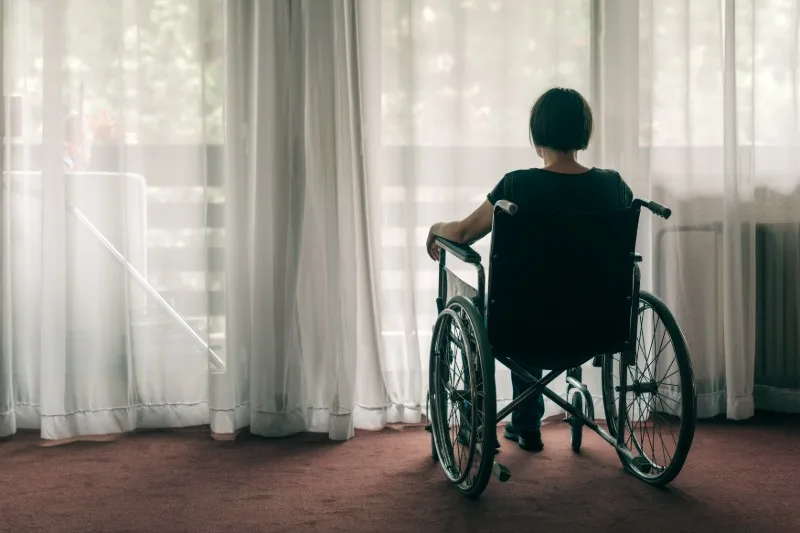
In advanced dementia, teams often need to judge whether the person is having a reversible setback, a more general decline, or may be approaching the end of life. That can be difficult, and certainty is not always possible. People may deteriorate, stabilise, or even improve temporarily.
Changes that may matter
- Progressive weight loss or reduced intake
- Increasing fatigue, sleepiness, or reduced awareness
- Less mobility, more time in bed, or greater dependence for repositioning
- Repeated infections, aspiration concerns, or chestiness
- Changes in communication, social withdrawal, or less engagement
- More distress, agitation, or restlessness that may reflect pain, delirium, or discomfort
Do not assume every decline means dying
Some changes still need prompt clinical review because they may reflect treatable illness, constipation, urinary retention, dehydration, delirium, or medicine effects. At the same time, repeated admissions and invasive investigations can be distressing and may not always help someone with severe dementia. NICE advises that when hospital admission is being considered, teams should balance current medical need against the additional harms hospital can bring, including disorientation, delirium, longer stays, and the loss of a familiar environment.
Care home staff are often the people who notice the early "soft signs" first. Good records, clear escalation, and knowledge of the person's usual baseline are vital.
Recognising deterioration in advanced dementia requires observation, context, and good escalation. Not every setback means dying, but not every decline benefits from hospital transfer either.
Ask Dr. Aiden
Rate this page
Sign up now for a free account
Course tools & details

