

Supporting families, culture, and after death
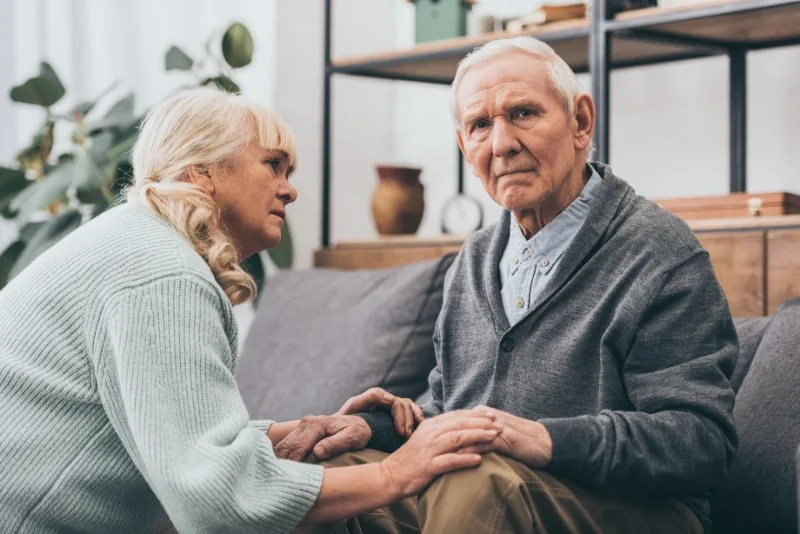
Families and other people important to the person often need a great deal of support during advanced dementia and at the end of life. They may be grieving before the death itself, carrying guilt about decisions, struggling with uncertainty, or frightened by the physical changes they see. Good care includes supporting them with honesty, compassion, and consistency.
What families and carers may need from staff
- Clear information: what has changed, what is being done, and who is reviewing the person.
- Kind explanations: especially around eating less, sleeping more, different breathing patterns, and comfort-focused care.
- Respect for beliefs and identity: cultural, spiritual, and religious needs should not be left to chance.
- Involvement when appropriate: mouth care, drinks, quiet presence, and comforting touch may be important if the person wants this and it is safe.
- Support after death: practical guidance, compassion, and sensitivity to grief matter greatly.
After death and staff support
CQC says poor services fail to engage people in end of life planning, do not meet cultural needs, and offer no support to families or staff after someone dies. Good care should therefore include respectful after-death processes, clear communication, documentation, and support for the team as well as the family. This may include debriefing, reflection, and making sure lessons from the person's care are not lost.
After a death, staff should follow local policy for notifying senior staff or clinical staff, verification and certification arrangements, personal care after death, documentation, belongings, and family communication. Dignity after death includes privacy, respectful handling, and checking cultural, spiritual, or religious wishes before routines are assumed.
Staff should also remember that not every family agrees internally, and not every family is coping well. Calm professionalism matters.
Good end of life care in dementia includes families, culture, spirituality, and after-death support. Staff need to communicate with honesty and compassion before and after the death itself.
Ask Dr. Aiden
Rate this page
Sign up now for a free account
Course tools & details

