

Welcome
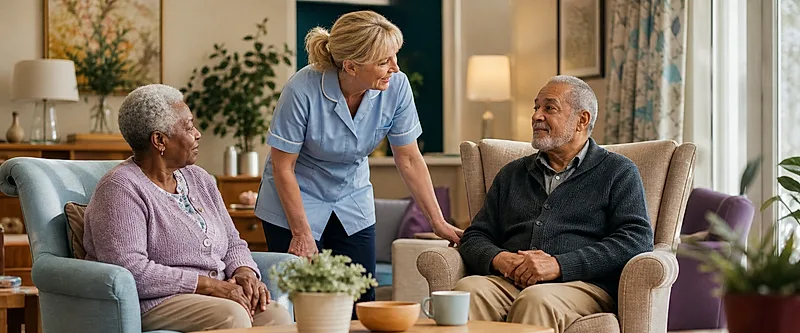
Advanced dementia and end of life care can feel daunting for frontline care staff. People may become much frailer, less able to communicate, increasingly dependent on others, and more vulnerable to infections, pain, swallowing problems, pressure damage, delirium, and sudden deterioration. Families may also be facing difficult conversations about comfort, treatment, hospital admission, and how the person would want to be cared for as they near the end of life.
This course is for care assistants, senior carers, support workers, team leaders, supervisors, and other frontline staff working in residential care homes, nursing homes, and other adult social care settings. It focuses on later-stage dementia, recognising deterioration, planning ahead, supporting comfort, understanding eating and drinking issues, responding in the last days of life, and supporting families with dignity and clarity.
This course is written for residential and nursing care staff across the UK. The core principles of advanced dementia and end of life care apply broadly across adult social care: comfort, dignity, proportionate care, clear records, family support, good escalation, and respect for the person's wishes. Where legal, funding, capacity, DNACPR, anticipatory planning, or service arrangements differ between UK nations, this course highlights those differences and reminds staff to follow local law and employer policy.
Why This Course Matters
- Advanced dementia is often unpredictable: decline may be gradual, but there can also be sudden changes, temporary recoveries, and difficult uncertainty.
- Everyday care becomes more clinically significant: hydration, mouth care, pain cues, swallowing safety, skin care, and mobility all matter more as someone becomes frailer.
- Planning ahead protects dignity: good advance care planning helps staff, families, and professionals make more joined-up decisions when the person becomes less able to participate.
- Comfort care is active care: supporting comfort, reducing distress, and preserving dignity are not the same as "doing nothing".
- End of life care is a team responsibility: care staff often notice changes first and play a major part in communication, continuity, and compassionate support.
How This Course Will Help You
After completing this course, you should be better able to recognise later-stage dementia changes, notice deterioration earlier, understand how planning and best-interests decisions fit together, support comfort and basic care well, respond more confidently in the last days of life, and know when to escalate or seek senior clinical advice.
Rate this page
Sign up now for a free account
Course tools & details

