
Children's Homes Quality Standards and Staff Role

A practical foundation on the England regulations, statement of purpose, key-working, supervision and inspection evidence

  • Reputation

    No token earned yet.

    Reach 50 points to earn the Peridot (Trainee Level).

  • CPD Certificates

    Certificates

    You have CPD Certificates for 0 courses.

  • Exam Cup

    No cup earned yet.

    Average at least 80% in exams to earn the Bronze Cup.

Launch offer: Certificates are currently free when you create a free account and log in. Log in for free access

Statement of Purpose, Children's Guide and matching the home to the child
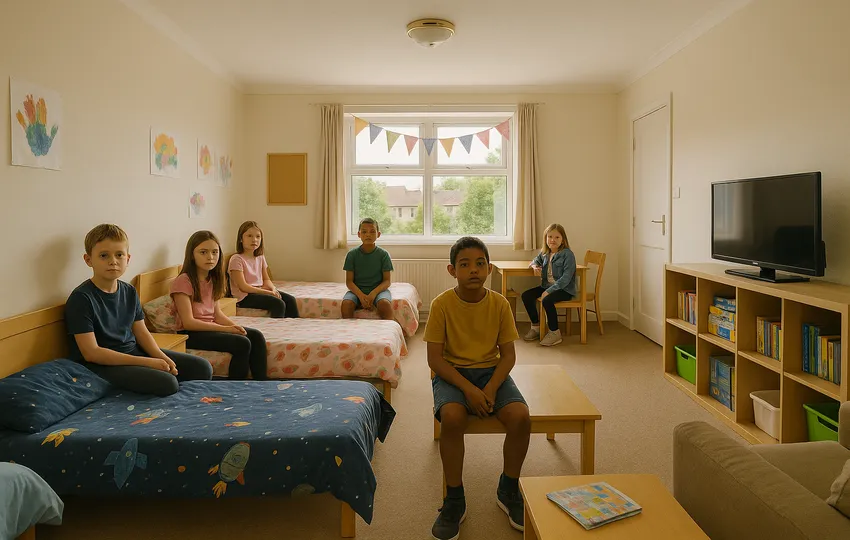
Shared children's bedroom with multiple beds

The Statement of Purpose is a core operational document for a children's home in England. It should describe the home's aims, who it is for, the needs it can meet and how care is organised. The Children's Guide presents the same information in language children can understand - how the home works, where to get help and how to complain. Both documents must reflect how the home actually operates.

Good matching matters because children do better when the home's skills, staffing and stated purpose meet their needs. Placements that look feasible on paper but fall outside the home's capabilities can cause avoidable distress and instability. Staff do not make placement decisions alone, but they must identify and report when a placement goes beyond what the home can safely provide.

Young person in residential care makes complaint to Ombudsman for Children

Video: 4m 12s · Creator: OCOIreland. YouTube Standard Licence.

This Ombudsman for Children Ireland video tells Caitlin's story, a fictional complaint based on issues affecting young people in residential care. Caitlin has lived in a residential centre for several years, feels safe, is doing well at school and is preparing for important exams. She is told she must leave when she turns 18, before the exams take place.

Caitlin and staff challenge the decision and she is encouraged to contact the Ombudsman for Children. The Ombudsman highlights her rights under the UN Convention on the Rights of the Child, including the impact on her education.

The authority agrees she can stay past her 18th birthday and that aftercare should be arranged. The example shows how an external complaints route can help a young person challenge a decision that risks harm.

Was this video a good fit for this page?

Frontline questions worth asking

  • Does the home's actual practice match its stated offer?
  • Can the child understand what the home offers and how to get help?
  • Is the placement still a good match in practice?
  • Are concerns being raised when reality no longer fits the plan?
  • Are children told things in language they can use?

Scenario

A home whose Statement of Purpose says it does not provide high-risk solo placements accepts a child with needs that staff know will often require solo staffing and specialist intervention.

What is the main concern?


A good Statement of Purpose does not just describe the home. It sets an honesty boundary around what the home can safely offer.

Ask Dr. Aiden


Rate this page


Course tools & details Study tools, course details, quality and recommendations
Funding & COI Media Credits
