
Complaints Handling for GP Receptionists and Care Navigators

Frontline complaint awareness, first response, immediate safety needs, records, routes and learning

  • Reputation

    No token earned yet.

    Reach 50 points to earn the Peridot (Trainee Level).

  • CPD Certificates

    Certificates

    You have CPD Certificates for 0 courses.

  • Exam Cup

    No cup earned yet.

    Average at least 80% in exams to earn the Bronze Cup.

Launch offer: Certificates are currently free when you create a free account and log in. Log in for free access

Staff wellbeing and difficult complaint contacts
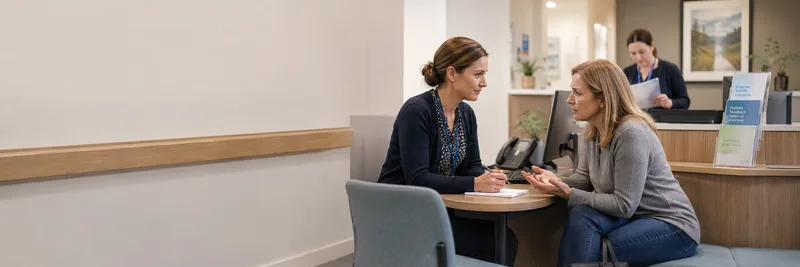
Two women talking at GP reception desk

Complaint contacts can feel personal, particularly when patients are angry, name staff or describe distressing events. Staff need clear procedures, practical support and an opportunity to debrief after difficult contacts.

When complaints feel personal

Being named in a complaint may cause anxiety, embarrassment or a desire to read the whole record. Staff must follow the practice complaints process and only access records required for their role.

A fair process protects patients and staff. It ensures concerns are reviewed properly, reduces gossip and prevents individuals being left alone with distress or uncertainty.

Support after difficult contacts

  • Know who to ask during a difficult contact, especially if the patient is distressed, angry or threatening.
  • Use staff safety procedures for abuse, threats, discrimination or intimidation.
  • Debrief after upsetting conversations, particularly where the complaint involved harm, bereavement, self-harm, safeguarding or staff abuse.
  • Do not read complaint material you do not need for your role.
  • Raise repeated flashpoints so the practice can review systems.

Patients can complain, but abuse is not acceptable

Patients have the right to complain and to be taken seriously. That right does not include threatening staff, using discriminatory language or creating an unsafe environment. The patient's current care need should still be routed safely while staff follow local procedures for unacceptable behaviour.

If I die it will be your fault

Video: 2m 25s · Creator: IGPM (Institute of General Practice Management). YouTube Standard Licence.

This Institute of General Practice Management campaign video shows GP receptionists describing abuse they have experienced at work. It illustrates repeated blame, personal insults, pressure to bypass appointment or prescription procedures, threats to attend the practice, discriminatory abuse, property damage and frightening behaviour.

The video notes that abuse can occur by phone or in person and can affect receptionists, clinicians and other team members. Examples include patients blaming staff for possible health outcomes, demanding a specific clinician or appointment, and using racist or threatening language.

The closing message is that abuse in GP practices must stop. The video is not a technical de-escalation guide; it aims to show the emotional and safety impact of normalising abusive behaviour towards primary care staff.

Was this video a good fit for this page?

Scenario

A complaint names you personally. You feel shaken and want to read everything written about it.

What is the professional next step?


Supporting staff well helps complaints be handled more calmly, fairly and consistently.

Ask Dr. Aiden


Rate this page


Course tools & details Study tools, course details, quality and recommendations
Funding & COI Media Credits
